
Septorhinoplasty in Rajkot
Septorhinoplasty in Rajkot: Nasal Alignment, Shape and Breathing
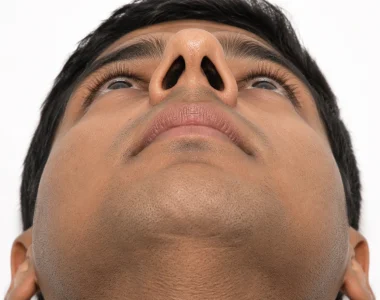
Septorhinoplasty in Rajkot combines correction of the internal nasal septum with reshaping or reconstruction of the external nose. It may be considered when nasal deviation, structural breathing difficulty, visible asymmetry or other connected concerns need to be assessed together.
- External deviation and septal alignment assessed together
- Breathing function and structural support evaluated
- Cosmetic goals, limitations and recovery discussed clearly
Septorhinoplasty in Rajkot
What Is Septorhinoplasty in Rajkot?
Septorhinoplasty combines septoplasty with rhinoplasty. Septoplasty focuses on the internal nasal septum, while rhinoplasty can reshape, reposition or support the external nasal framework. When both areas contribute to a patient's concerns, they may be evaluated as part of one coordinated treatment plan.
Septorhinoplasty in Rajkot may be discussed for people who have a crooked or asymmetric nose together with nasal obstruction, a deviated septum, trauma-related changes or reduced structural support. The appropriate treatment depends on the individual's anatomy, symptoms, previous surgery and goals.
A deviated septum can narrow one nasal passage and affect airflow. Mayo Clinic explains that septoplasty is used to straighten a deviated septum, while rhinoplasty can be performed at the same time when external nasal shape also requires attention.
For additional patient education about septal surgery, you can read the Mayo Clinic guide to septoplasty and the Cleveland Clinic information about rhinoplasty .
Septorhinoplasty in Rajkot: Internal and External Anatomy
How the External Nose and Internal Septum Relate
Move the control to reveal the external framework and internal septal layer. This educational model shows why both areas may be assessed when planning septorhinoplasty.
Septorhinoplasty in Rajkot for Crooked Nose Concerns
When a Crooked Nose and Deviated Septum Need Combined Assessment
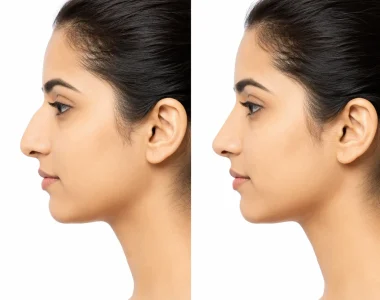
A crooked or asymmetric nose can involve the nasal bones, cartilage, septum or several structures at the same time. The appearance may develop naturally, follow an injury or become noticeable after previous nasal surgery.
When the external nose and septum deviate together, treatment planning may need to address both alignment and airflow. Treating only the visible surface may not resolve an internal obstruction, while treating only the septum may not correct an external deformity or structural weakness.
This is one reason a consultation for septorhinoplasty in Rajkot should include a careful assessment of both the outside and inside of the nose.
Septorhinoplasty is coordinated structural planning rather than simply two unrelated operations performed at the same time.
Septorhinoplasty Planning in Rajkot
Explore How Appearance and Breathing Concerns May Overlap
Adjust both controls to organise the subjects that may be relevant during consultation. This tool is educational and does not diagnose a condition or recommend surgery.
Understanding Treatment Scope
When Might Septorhinoplasty in Rajkot Be Discussed?
Septorhinoplasty may be considered when an external nasal concern and a clinically relevant internal structural problem occur together. The final decision requires individual examination and planning.
Visible Deviation With Septal Obstruction
The nose appears crooked or asymmetric and the internal septum also narrows one or both nasal passages.
Trauma-Related Shape and Breathing Changes
An injury has altered external alignment, septal position, structural support or airflow.
External Reshaping With Septal Correction
Nasal reshaping is being considered while a deviated septum or internal structural problem also requires attention.
Changes After Previous Nasal Surgery
Previous treatment has left visible irregularity, septal problems, weakness or persistent breathing difficulty.
Structural Balance in Septorhinoplasty
Septorhinoplasty in Rajkot: Balancing Straightness, Support and Airflow
Nasal correction is not simply a matter of moving structures into a straighter position. Bone and cartilage have different properties, curves and healing behaviour. The septum also contributes to the structural support of the bridge and tip.
Treatment planning may therefore involve repositioning, reshaping or reinforcing selected structures. The goal is to create a balanced result while maintaining structural stability and protecting nasal function.
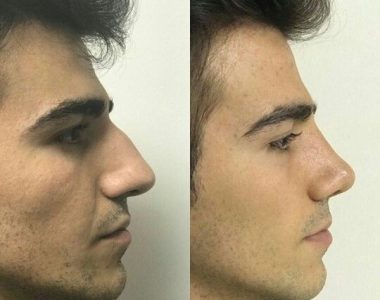
During a septorhinoplasty consultation, it is important to discuss which changes are realistic for your anatomy rather than expecting perfect symmetry or a predetermined appearance.
- Which structures are causing the visible deviation?
- Where is the septum narrowed or bent?
- Does the external framework require additional support?
- Which changes may be realistic for my anatomy?
- How may the planned correction affect breathing?
Septorhinoplasty in Rajkot: Consultation and Planning
How Septorhinoplasty Is Planned
Planning evaluates appearance, breathing, internal anatomy and structural stability before deciding whether combined surgery is appropriate.
-
01
Discuss Appearance and Breathing Concerns
Review visible changes, nasal obstruction symptoms, previous injury, earlier surgery, medical history and treatment goals.
-
02
Examine the External Nose and Septum
Assessment may include nasal alignment, bridge, tip, structural support, septal position, internal passages and airflow.
-
03
Map the Connected Structural Problems
Determine whether the internal and external concerns require coordinated treatment or whether a more limited procedure may be suitable.
-
04
Review the Surgical Plan and Recovery
Discuss the proposed changes, realistic limitations, potential risks, hospital arrangements, aftercare and expected recovery.
Recovery and Expectations
What to Expect After Septorhinoplasty in Rajkot
Recovery varies according to the extent of correction, the patient's anatomy and whether the surgery is primary or revision surgery. Swelling, congestion and bruising can be more noticeable during the early recovery period.
Early swelling generally improves over the first few weeks, while deeper healing and refinement of the nasal contour continue for several months. The final appearance may take many months to settle, and some patients may continue to notice changes for up to a year.
Breathing can also feel temporarily different while swelling and internal healing occur. Recovery instructions should be followed carefully, including guidance about activity, nasal care, medication and follow-up appointments.
Septorhinoplasty in Rajkot FAQs
Frequently Asked Questions About Septorhinoplasty
Find answers to common questions about combined nasal surgery, breathing, appearance, recovery and suitability.
Ask About SeptorhinoplastyWhat is septorhinoplasty in Rajkot?
Septorhinoplasty in Rajkot combines correction of the internal nasal septum with reshaping, repositioning or reconstruction of the external nose. It may be considered when breathing concerns and external nasal concerns are connected.
How is septorhinoplasty different from septoplasty?
Septoplasty primarily addresses the internal nasal septum. Septorhinoplasty can also address the external nasal framework when shape, alignment or structural support requires treatment.
Does every crooked nose require septorhinoplasty?
No. A crooked nose can have different causes, and not every patient has significant septal obstruction. An examination is required to determine the appropriate scope of treatment.
Can septorhinoplasty improve breathing and appearance together?
Septorhinoplasty may be planned to address both concerns when internal and external structures contribute to the patient's problems. Individual results vary and improvement cannot be guaranteed.
Will the nose be perfectly straight after septorhinoplasty?
Perfect symmetry or straightness cannot be guaranteed. The achievable correction depends on anatomy, previous injury or surgery, tissue characteristics and healing.
How long does septorhinoplasty recovery take?
Early swelling and bruising generally improve during the first few weeks. Internal healing and refinement of the nasal contour continue for several months, and the final result may take up to a year or longer to fully settle in some patients.
What risks should be discussed before septorhinoplasty?
Potential risks can include bleeding, infection, anaesthetic complications, altered sensation, persistent or changed breathing, scarring, septal perforation, asymmetry, dissatisfaction and possible revision surgery. Individual risks should be reviewed carefully before consent.
How can I discuss septorhinoplasty in Rajkot with an ENT specialist?
A consultation allows the external nose, internal septum, breathing concerns, previous nasal problems and treatment goals to be assessed together. You can contact Dr. Manali Kakadia to discuss your concerns and arrange an individual assessment.
Trusted Patient Education
Learn More About Septal and Nasal Surgery
These external medical resources provide general patient education about septoplasty, rhinoplasty and nasal structural problems.
Take the Next Step
Discuss Septorhinoplasty in Rajkot for Your Individual Nasal Concerns
Book a consultation with Dr. Manali Kakadia for an individual assessment of external nasal alignment, septal deviation, airflow, structural support and your treatment goals.