Crooked Nose Correction in Rajkot
Crooked Nose Correction in Rajkot for Better Alignment, Support and Breathing
Crooked nose correction in Rajkot may be considered when the nasal bones, cartilage, septum or other supporting structures are not properly aligned. A crooked nose can develop naturally, after facial growth or because of a previous nasal injury. It may also be associated with nasal blockage or breathing difficulty.
Treatment planning focuses on understanding the cause of the deviation, assessing both the external nose and internal nasal structure, and selecting an appropriate approach based on individual anatomy.
- External nasal deviation and septal alignment assessed together
- Previous injury and breathing symptoms considered
- Treatment options and realistic correction limits discussed
Understanding Crooked Nose Correction
What Causes a Crooked Nose?
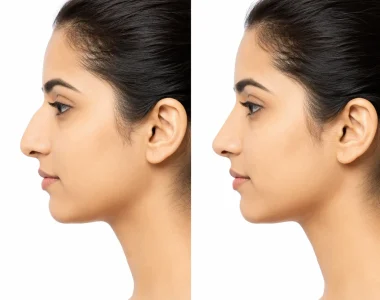
A crooked nose can develop when the nasal bones, cartilage, nasal septum or several structural components do not remain centrally aligned. Some people have a crooked nose because of natural anatomy or facial growth, while others develop a deviated nose after an injury, fracture or previous nasal surgery.
A crooked nose can mainly affect appearance, but some people also experience one-sided nasal blockage, difficulty breathing through the nose, congestion or reduced airflow. A detailed ENT and nasal examination can help determine whether the concern is primarily external, internal or a combination of both.
If a deviated septum contributes to nasal obstruction, treatment may involve deviated septum treatment in Rajkot . When external nasal alignment and internal septal deviation both require correction, a rhinoplasty or septorhinoplasty approach may be discussed.
For patients whose crooked nose developed after trauma, the assessment may also consider changes to the nasal bones, cartilage, septum and structural support. Rhinoplasty in Rajkot can be used to evaluate a range of external and functional nasal concerns, depending on the patient's anatomy.
Evidence-Based Information
Crooked Nose, Deviated Septum and Breathing Problems
A deviated septum can narrow one side of the nasal passage and may contribute to difficulty breathing. However, not every deviated septum requires surgery. Treatment decisions depend on symptoms, clinical findings and the effect of the problem on everyday life.
When a deviated septum contributes to breathing problems, septoplasty may be considered. Rhinoplasty can address external nasal shape and supporting structures, and the procedures can sometimes be combined when both internal and external problems require treatment.
If you are experiencing persistent nasal blockage along with a visibly crooked nose, an ENT assessment can help identify whether structural deviation is contributing to the symptoms.
Learn more from: Mayo Clinic – Deviated Septum Diagnosis and Treatment Cleveland Clinic – Rhinoplasty Johns Hopkins Medicine – Deviated Septum
Interactive Alignment Planning
How Different Priorities Can Affect Crooked Nose Treatment Planning
Adjust the controls to understand how visible deviation, structural support and breathing considerations may interact during assessment.
Advanced Structural Planning
Why Crooked Nose Surgery Can Be Structurally Complex
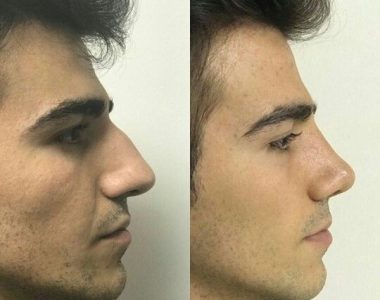
A visible bend may occur at the nasal bones, middle vault, nasal tip or several levels at once. The nasal septum may also be displaced, twisted or weakened.
Correcting only the most obvious area may not address the deeper structural cause. Crooked nose treatment therefore requires an assessment of the complete nasal framework.
Depending on the anatomy, treatment may involve rhinoplasty , septoplasty, septorhinoplasty or structural reconstruction.
Patients with both visible deviation and breathing problems may need a combined assessment of the external nose and internal septum. Learn more about rhinoplasty and functional nose surgery in Rajkot .
The objective is not geometric perfection. It is a more balanced, stable and functional relationship between the nose and the face.
Interactive Cause Explorer
What May Be Causing Your Crooked Nose?
Select a pattern to understand the structures and symptoms commonly reviewed during a crooked nose consultation.
Upper bridge deviation
Nasal Bone Alignment
The upper bridge may sit away from the facial centre line because of natural anatomy, facial growth or previous nasal trauma.
- Bridge direction and width
- Previous fracture or trauma history
- Relationship with the septum below
Internal central deviation
Deviated Nasal Septum
A deviated or twisted septum can influence both the external appearance of the nose and airflow through one or both sides.
- Internal nasal obstruction
- Septal shape and stability
- Need for septoplasty or septorhinoplasty
Middle and lower nose
Cartilage Asymmetry
Uneven cartilage can influence the middle vault, nasal tip, nostril appearance and overall visible alignment.
- Middle-vault symmetry
- Tip cartilage position
- Sidewall and tip support
Trauma-related change
Crooked Nose After Injury
A previous injury can displace nasal bones, cartilage and the septum. Even an old nasal injury may influence present shape and breathing.
- Timing and severity of injury
- Previous fracture treatment
- Current obstruction or instability
Multi-level deviation
Combined Structural Crookedness
Many crooked noses involve more than one level. Bone, septum, cartilage and structural support may all require coordinated treatment planning.
- Upper, middle and lower nose mapping
- Airway and support assessment
- Combined cosmetic and functional planning
Crooked Nose Treatment Options
What May Be Included in Crooked Nose Correction?
The exact treatment depends on examination findings. Not every patient requires every surgical component.
Nasal Bone Repositioning
Where the upper bridge is significantly deviated, controlled repositioning of the nasal bones may be considered.
Learn About Rhinoplasty in Rajkot →Septal Correction
Septoplasty or structural septal correction may be considered when internal deviation contributes to obstruction or external shape.
Deviated Septum Treatment →Cartilage Reshaping
Middle-vault or tip cartilage may require reshaping, repositioning or support to improve visible symmetry.
Explore Nasal Surgery Options →Structural Support
Additional structural support may be required when bridge, sidewall or tip structures are weak or unstable.
Explore Rhinoplasty Services →Related Rhinoplasty Services
Which Nose Surgery May Be Relevant to Your Concern?
Different nasal problems require different treatment approaches. Explore the related procedures before your consultation.
Recovery and Healing
Recovery After Crooked Nose Surgery
Swelling does not always reduce at the same rate on both sides of the nose. Temporary unevenness can therefore occur during the early recovery period.
The bridge and nasal tip may also settle at different rates. Early photographs should not necessarily be used to judge the final degree of straightness.
Follow-up appointments allow the surgeon to monitor healing and determine how the nose is progressing over time.
- Perfect symmetry cannot be guaranteed
- Early swelling may be uneven
- Nasal refinement continues gradually
- Final assessment requires adequate healing

Crooked Nose Correction Cost in Rajkot
What Can Affect the Cost of Crooked Nose Surgery?
The estimator below provides an educational planning range only. It is not an official clinic quotation. Final cost depends on the procedure, anatomy, hospital, anaesthesia and other clinical factors.
Consultation and Treatment Planning
How Crooked Nose Correction Is Planned
Crooked nose treatment starts with identifying the cause of the deviation and understanding whether the concern is cosmetic, functional or both.
-
01
Review Your History
Discuss when the crooked appearance became noticeable, previous nasal injuries, previous surgery and breathing symptoms.
-
02
Examine External and Internal Alignment
The nasal bones, cartilage, septum, nasal valves, tip position, structural support and airflow may be assessed.
-
03
Determine the Appropriate Treatment
Depending on the findings, treatment may involve rhinoplasty, septoplasty, septorhinoplasty or structural reconstruction.
Learn more about rhinoplasty treatment options → -
04
Discuss Recovery, Risks and Cost
Realistic expectations, recovery, possible risks, hospital arrangements and personalised treatment cost are discussed.
Signs Worth Evaluating
When Should You Consider a Crooked Nose Assessment?
A crooked nose does not automatically require surgery. However, assessment may be useful when the deviation is associated with persistent symptoms, visible asymmetry or changes following trauma.
- One side of the nose feels consistently blocked
- Difficulty breathing through the nose
- Noticeable nasal asymmetry from the front or side
- Crookedness after an old or recent nasal injury
- Persistent congestion associated with structural narrowing
- Concerns about both nasal appearance and breathing
A deviated septum can sometimes contribute to nasal blockage and a crooked-looking nose. Treatment depends on the symptoms and clinical examination.
Read more about deviated septum symptoms and causes at Mayo Clinic →
Crooked Nose Correction FAQs
Frequently Asked Questions About Crooked Nose Treatment
General information about crooked nose surgery, breathing, recovery, symmetry, treatment options and cost.
Ask About Your NoseCan a crooked nose be corrected?
Depending on the cause, rhinoplasty, septoplasty or septorhinoplasty may improve visible nasal deviation. The achievable correction depends on anatomy, tissue quality, previous injury, previous surgery and healing.
Learn more about rhinoplasty treatment in Rajkot .
Can crooked nose correction improve breathing?
It may improve breathing when obstruction is related to a deviated septum, nasal valve narrowing or other structural problems. External straightening alone does not automatically improve nasal airflow.
If a deviated septum is suspected, see the deviated septum treatment information .
Is a crooked nose always caused by a deviated septum?
No. A crooked nose may involve the nasal bones, cartilage, septum, nasal valves, facial asymmetry, previous trauma or multiple structures together.
Will crooked nose surgery make my nose perfectly straight?
Perfect geometric symmetry cannot be guaranteed. The objective is generally meaningful improvement in alignment, facial balance, structural support and function within individual anatomical limits.
How much does crooked nose correction cost in Rajkot?
The cost of crooked nose surgery varies according to the procedure, complexity, hospital, anaesthesia, structural work and other clinical requirements. The educational estimator on this page is intended only for general planning and is not an official clinic quotation.
For an individual estimate, please request a personalised consultation .
How long does crooked nose surgery recovery take?
Early swelling and bruising usually improve progressively, while residual swelling and refinement can continue for months. Recovery varies according to the procedure and individual healing.
Follow-up and recovery guidance are tailored to the surgery performed and the patient's healing.
Can an old nasal injury cause a crooked nose?
Yes. Previous nasal trauma can change the position of the nasal bones, cartilage and septum. An examination can determine whether old injury is contributing to present-day shape or breathing concerns.
If your concern started after trauma, you can explore rhinoplasty for nasal structural concerns .
What is the difference between rhinoplasty and septoplasty?
Rhinoplasty primarily addresses the shape and structural framework of the nose, while septoplasty focuses on correcting the internal nasal septum. They may be combined when both external and internal problems require treatment.
Can crooked nose correction be combined with septorhinoplasty?
In selected patients, septorhinoplasty may address both external nasal deviation and internal septal problems. Whether this is appropriate depends on the individual examination.
When should I see an ENT specialist for a crooked nose?
Consider an assessment if the crookedness is associated with persistent nasal blockage, breathing difficulty, noticeable asymmetry, recurrent symptoms or a history of nasal injury.
You can learn more about ENT care in Rajkot or book a consultation .
Explore More Nose & ENT Care
Related Nose Surgery and ENT Services in Rajkot
Explore related treatment pages to understand different causes of nasal blockage, deviation and structural nose concerns.
Crooked Nose Treatment in Rajkot
Looking for Crooked Nose Treatment in Rajkot?
If your crooked nose is affecting appearance, nasal breathing or both, a personalised assessment can help identify the underlying structural problem. The evaluation may consider the nasal bones, septum, cartilage, nasal valves, previous trauma and overall facial balance.
Dr. Manali Kakadia provides ENT and nasal surgery consultations in Rajkot. Visit the Rajkot clinic page for location information or contact the clinic to request a consultation .
Take the Next Step
Find Out What Is Causing Your Crooked Nose
Book a consultation with Dr. Manali Kakadia in Rajkot to discuss nasal deviation, breathing difficulty, previous injury, treatment options, recovery and a personalised cost estimate.