
ENT Surgeon
Functional Endoscopic Sinus Surgery (FESS)
Functional Endoscopic Sinus Surgery (FESS) is a minimally invasive operation used to improve sinus drainage and ventilation when chronic or recurrent sinus disease remains uncontrolled despite appropriate treatment. The procedure is performed through the nostrils with an endoscope, allowing targeted removal of obstructing tissue, bone or polyps without external facial incisions.
- Endoscopic surgery performed through the nostrils
- Used for selected chronic sinusitis, polyps and recurrent disease
- Postoperative medical care remains part of long-term sinus management
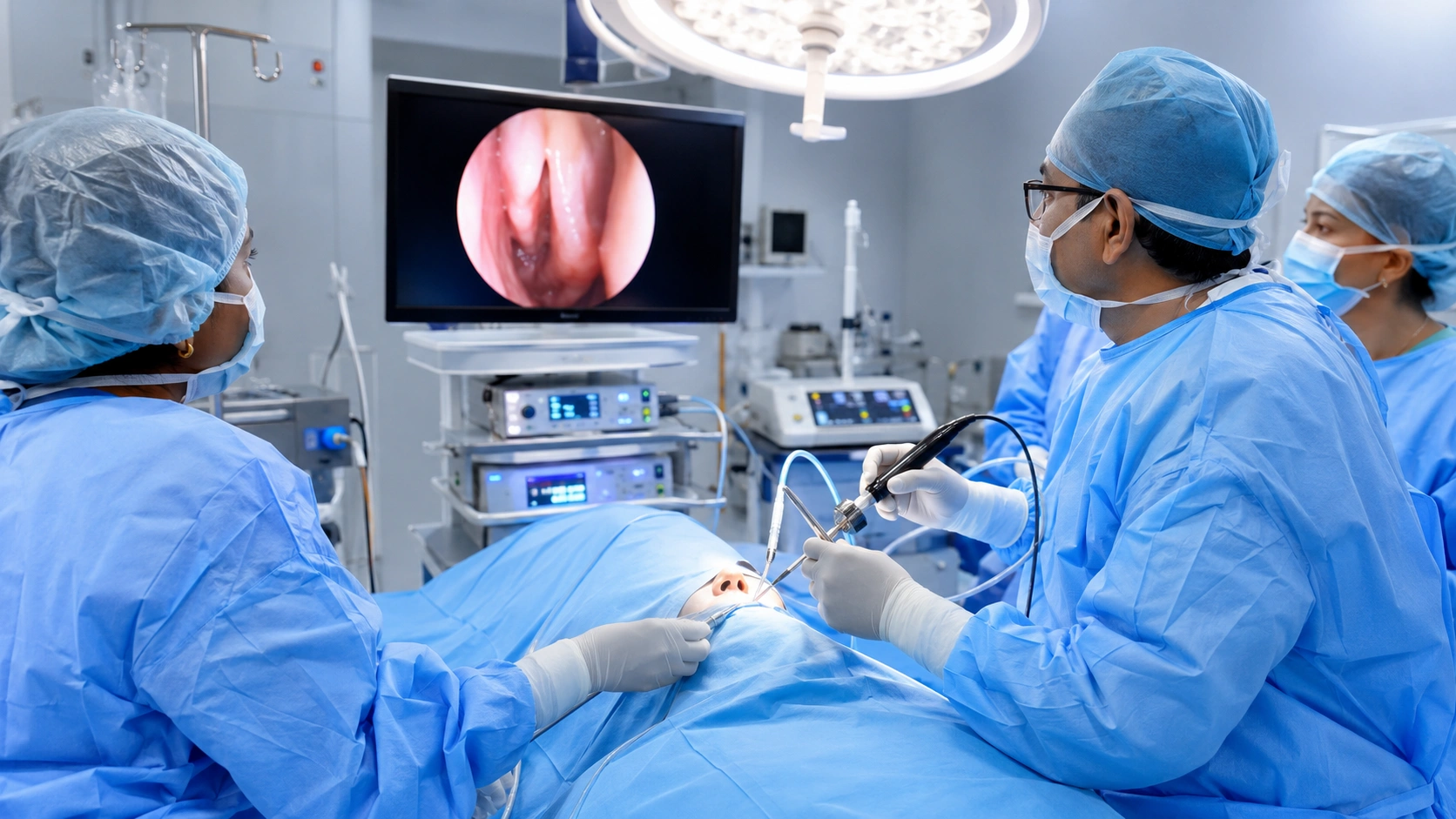
Endoscopic Sinus Surgery
When FESS Is Used for Chronic or Recurrent Sinus Disease
FESS is used when sinus drainage pathways remain blocked or diseased despite appropriate medical treatment. The operation uses a nasal endoscope and fine instruments to enlarge natural sinus openings, remove obstructing tissue and improve access for postoperative topical treatment.
The 2025 clinical practice guideline on surgical management of chronic rhinosinusitis recommends confirming the diagnosis and expected benefit before surgery, tailoring the extent of surgery to the specific disease pattern, and continuing postoperative follow-up rather than treating surgery as the end of care. Review the 2025 chronic rhinosinusitis surgical guideline .
Patients who have not yet completed appropriate medical management or whose sinus diagnosis is still uncertain should first review sinusitis treatment before moving directly toward surgery.
The aim of FESS is not simply to remove tissue. It is to improve sinus ventilation and drainage while creating better access for ongoing medical therapy when chronic inflammation continues after surgery.
Treatment Information
FESS Treatment Details
| Procedure | Functional Endoscopic Sinus Surgery (FESS) |
|---|---|
| Common Indications | Chronic rhinosinusitis, recurrent sinus disease, nasal polyps or selected other sinus conditions |
| Technique | Endoscopic surgery through the nostrils with no routine external facial incision |
| Treatment Goal | Restore sinus drainage, reduce obstructive disease and improve access for ongoing medical treatment |
Understanding FESS
What Is Functional Endoscopic Sinus Surgery?
Functional Endoscopic Sinus Surgery is an operation performed through the nasal passages using an endoscope for illumination and magnified visualisation. Small instruments are used to remove diseased tissue, polyps or bone that blocks natural sinus drainage.
Unlike older external approaches, FESS is usually completed without facial incisions. The procedure is designed around the anatomy of the natural sinus openings so that ventilation and drainage can improve while healthy tissue is preserved where possible.
Cleveland Clinic describes FESS as a minimally invasive procedure used mainly for chronic sinusitis and nasal polyps, performed through the nostrils without external cuts. Read Cleveland Clinic’s FESS overview .
Explore FESS Scenarios
FESS: Which Sinus Problem May Require Surgery?
The procedure is tailored to the location, severity and type of sinus disease rather than performed the same way for every patient.
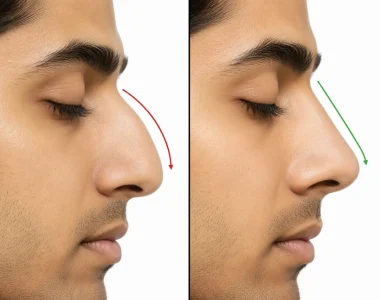
Persistent Inflammation
FESS for Chronic Rhinosinusitis
Surgery may be considered when objective chronic sinus disease persists despite appropriately delivered medical treatment and continues to affect symptoms or quality of life.
- CT and endoscopy findings
- Previous medical therapy
- Affected sinuses
- Postoperative topical access

Polyp-Associated Disease
FESS with Nasal Polyp Removal
When polyps block sinus drainage or significantly affect smell and breathing, endoscopic surgery can remove obstructing tissue while opening the involved sinuses.
- Polyp burden
- Smell loss
- Asthma association
- Long-term recurrence prevention

Repeated Sinus Episodes
FESS for Recurrent Sinus Disease
Selected patients with repeated objectively confirmed sinus infections may benefit from surgery when anatomy or drainage problems contribute to recurrence.
- Episode frequency
- Symptom-free intervals
- Anatomical narrowing
- CT correlation
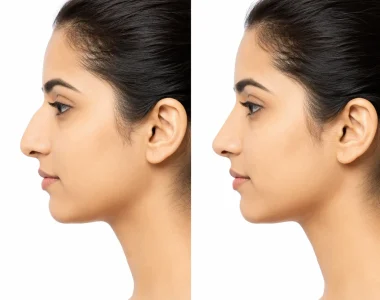
Special Disease Pattern
FESS for Fungal or Complex Sinus Disease
Certain fungal, bony or destructive sinus conditions may require more extensive endoscopic exposure and removal of diseased material.
- Disease extent
- Fungal material
- Bone involvement
- Need for wider sinus access
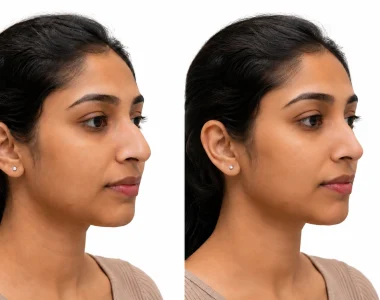
Previous Sinus Surgery
Revision FESS
Revision surgery may be needed when disease persists or recurs after earlier surgery, requiring careful review of altered anatomy and scarring.
- Previous operative changes
- Scar tissue
- Residual disease
- Image-guided planning when appropriate
FESS Planning
FESS Treatment Approach Comparison
The surgical extent depends on disease pattern, involved sinuses and whether polyps, scarring or complex pathology are present.
| Clinical Situation | Primary Surgical Focus | Why It Matters | Planning Consideration |
|---|---|---|---|
| Chronic rhinosinusitis | Open diseased sinus pathways | Improve ventilation and topical access | Match surgery to objective disease |
| Nasal polyps | Polyp removal plus sinus opening | Relieve obstruction and reduce polyp burden | Plan long-term anti-inflammatory care |
| Recurrent disease | Target contributing drainage pathways | Reduce repeated episodes in selected patients | Confirm true recurrent sinusitis |
| Fungal / complex disease | Remove diseased tissue with broader exposure | Certain disease requires more complete clearance | Extent based on pathology and imaging |
| Revision disease | Re-establish drainage in altered anatomy | Scarring and previous surgery increase complexity | Detailed CT and endoscopic mapping |
FESS Suitability
Who May Be Suitable for Functional Endoscopic Sinus Surgery?
FESS is generally considered when symptoms remain clinically significant, chronic or recurrent sinus disease is objectively confirmed and appropriate non-surgical treatment has not provided sufficient control.
Objective disease should support the decision
Symptoms such as pressure and congestion are not specific to sinusitis. Endoscopy and CT help confirm whether there is persistent disease that surgery can realistically address.
Previous treatment matters
Current surgical guidance recommends discussing the expected benefits, alternatives and long-term treatment needs before proceeding rather than requiring a rigid one-size-fits-all medication sequence.
- Chronic rhinosinusitis with persistent symptoms and objective disease
- Nasal polyps causing obstruction, smell loss or recurrent inflammation
- Repeated sinus infections with confirmed sinus involvement
- Disease that remains uncontrolled despite appropriate medical therapy
- Selected fungal, mucocele or other structural sinus conditions
Patients considering surgery locally may also find it useful to review our FESS in Rajkot guide, which explains the procedure, common reasons FESS may be advised, preparation, recovery and treatment planning in Rajkot.
If nasal polyps are a major part of the disease, nasal polyp treatment should be considered as part of the broader long-term plan rather than viewing polyp removal alone as definitive care.
FESS Expectations
What FESS Can and Cannot Achieve
FESS can improve sinus drainage, reduce obstructive disease and make topical medicines easier to deliver into the sinus cavities. It does not permanently remove the underlying tendency toward inflammation in every patient.
- FESS can improve symptoms and quality of life in appropriately selected patients.
- It does not guarantee that chronic rhinosinusitis or nasal polyps will never recur.
- Ongoing saline irrigation and topical medication are often still needed after surgery.
- Allergy, asthma and inflammatory conditions may continue to require treatment.
- Revision surgery may occasionally be required if disease returns or scarring narrows the sinus openings.
Mayo Clinic likewise describes endoscopic sinus surgery as an option for chronic sinusitis that does not clear with treatment, using an endoscope and small instruments to open blocked passages. Review Mayo Clinic’s chronic sinusitis treatment guidance .
Potential Benefits
Potential Benefits of FESS
01Improved Sinus Drainage
Opening narrowed sinus pathways can improve mucus clearance and ventilation.
02Reduced Chronic Symptoms
Appropriate surgery may reduce congestion, discharge, facial pressure and other chronic sinus symptoms.
03Improved Smell in Selected Patients
Reducing polyp burden and inflammation may improve smell when obstruction is a major contributor.
04Better Access for Topical Treatment
Larger, more open sinus pathways can allow saline and topical medicines to reach diseased areas more effectively.
05Improved Quality of Life
For appropriately selected patients with persistent chronic rhinosinusitis, surgery can improve sinonasal quality-of-life measures.
Safety & Recovery
Possible Side Effects and Risks of FESS
FESS is minimally invasive, but the sinuses lie close to the eyes, skull base and major blood vessels, so informed consent should include both common postoperative effects and uncommon serious complications.
Bleeding
Minor bleeding and blood-stained discharge are common early after surgery; heavier bleeding may require review.
Infection or Persistent Inflammation
Sinus inflammation can continue or recur and may require ongoing medical treatment.
Scar Tissue or Re-Narrowing
Healing can create scar tissue that narrows previously opened pathways and occasionally requires further treatment.
Eye or Vision Complications
Because the sinuses sit next to the orbit, rare complications can affect the eye muscles or vision.
Cerebrospinal Fluid Leak
Rare injury to the skull base can cause leakage of fluid surrounding the brain and requires prompt treatment.
The Surgical Journey
FESS: Step-by-Step Procedure
The exact steps vary by the sinuses involved, but the operation is performed endoscopically through the nostrils and targets only the areas that require treatment.
-
01
Confirm the Surgical Map
Review CT imaging, endoscopy, symptoms and previous treatment to define which sinuses and structures need intervention.
-
02
Administer Anaesthesia
FESS is commonly performed under general anaesthesia, depending on surgical scope and patient factors.
-
03
Introduce the Endoscope
A rigid nasal endoscope provides illuminated, magnified visualisation of the nasal cavity and sinus openings.
-
04
Open the Diseased Sinus Pathways
Fine instruments remove selected bone, inflamed tissue or polyps that block drainage while preserving healthy structures where possible.
-
05
Control Bleeding and Complete the Procedure
The surgeon checks the treated areas and may use absorbable materials or packing according to the case.
-
06
Begin Postoperative Sinus Care
Saline irrigation, topical medicines and scheduled endoscopic follow-up help keep the healing sinus pathways open.
Before Surgery
How to Prepare for FESS
Preoperative planning confirms the diagnosis, defines which sinuses require treatment and identifies conditions that may influence healing or recurrence.
Common Pre-Surgical Preparation
- CT review: sinus anatomy and the extent of disease are mapped before surgery.
- Nasal endoscopy: polyps, discharge, scarring and internal anatomy are assessed directly.
- Medication review: medicines that affect bleeding should be discussed with the surgical team.
- Allergy and asthma review: associated inflammatory conditions may need ongoing treatment before and after FESS.
- Previous surgery records: prior operative notes and scans are useful in revision cases.
- Smoking cessation: smoking can impair healing and worsen sinonasal inflammation.
If a deviated septum also significantly limits access or nasal airflow, septoplasty surgery may sometimes be considered at the same sitting, but only when the septum is independently contributing to the problem.
When Surgery May Not Be the First Step
When FESS May Be Delayed or Unnecessary
FESS is usually delayed when chronic sinus disease has not been objectively confirmed, when appropriate medical treatment has not yet been tried or when symptoms are better explained by another nasal condition.
- Symptoms are caused by a short acute viral infection
- Endoscopy or CT does not show disease that surgery can address
- Allergy or inflammatory treatment has not yet been optimised
- Nasal blockage is mainly caused by septal or valve narrowing rather than sinus disease
- Medical conditions increase anaesthetic or surgical risk
- Symptoms are mild and do not justify the risks or recovery of surgery
Where the dominant complaint is persistent obstruction without clear sinus disease, a nasal blockage treatment assessment may be more appropriate than FESS.
FESS Safety
Key Safety Principles in Functional Endoscopic Sinus Surgery
Safe FESS depends on precise anatomical planning, targeted surgery, awareness of nearby critical structures and structured postoperative care.
Use CT and Endoscopic Mapping
Detailed preoperative anatomy helps define disease extent and the relationship of the sinuses to the orbit and skull base.
Preserve Healthy Tissue
The procedure should remove obstructing or diseased tissue while avoiding unnecessary disruption of normal mucosa and structures.
Match Surgical Extent to Disease
More extensive disease may require broader sinus opening, while limited disease should not automatically receive maximal surgery.
Continue Postoperative Medical Care
Saline irrigation, topical therapy and endoscopic follow-up are important parts of recovery and long-term control.
Treatment Planning
What Can Affect the Cost of FESS?
FESS cost varies according to how many sinuses require treatment, whether polyps or complex disease are present, whether surgery is primary or revision, and the hospital and anaesthesia requirements.
Common Cost Factors
- Number of sinuses treated: focused surgery and multi-sinus surgery involve different operative scope.
- Nasal polyps or complex disease: extensive polyposis, fungal disease or bony changes can increase surgical complexity.
- Revision surgery: scar tissue and altered anatomy can make repeat FESS more demanding.
- Image guidance: selected complex or revision procedures may use computer-assisted navigation.
- Hospital and anaesthesia: facility, theatre and anaesthetic requirements contribute to the total fee.
- Postoperative care: medicines, saline care and endoscopic follow-up form part of the overall treatment pathway.
A personalised estimate should follow CT and endoscopic assessment because the term “FESS” can describe procedures of very different scope.
FESS Questions
Frequently Asked Questions About FESS
General information about cosmetic nose reshaping, suitability, safety, recovery and treatment planning.
Ask a QuestionWhat does FESS stand for?
FESS stands for Functional Endoscopic Sinus Surgery. It is an endoscopic operation performed through the nostrils to open diseased or blocked sinus drainage pathways.
When is FESS usually recommended?
It is commonly considered when chronic rhinosinusitis or another defined sinus condition remains uncontrolled despite appropriate medical treatment and objective disease is confirmed.
Does FESS leave visible scars?
Routine FESS is performed through the nostrils using an endoscope, so there are usually no external facial incisions or visible scars.
How long does recovery after FESS take?
Many patients return to routine non-strenuous activity within about one to two weeks, but crusting, swelling and deeper sinus healing continue for several weeks.
Will I still need sinus medication after FESS?
Often yes. Saline irrigation and topical nasal treatment are commonly continued after surgery because FESS improves drainage and medication access but does not eliminate the underlying inflammatory tendency in every patient.
Can sinus disease return after FESS?
Yes. Chronic rhinosinusitis and nasal polyps can recur, especially when asthma, allergy or other inflammatory factors remain active, so long-term follow-up is important.
Take the Next Step
Find Out Whether FESS Is Appropriate for Your Sinus Disease
Discuss chronic sinus symptoms, CT or endoscopy findings, nasal polyps, previous treatment and recurrent infections with Dr. Manali Kakadia before deciding whether functional endoscopic sinus surgery is appropriate.