
Reconstructive Rhinoplasty in Rajkot
Reconstructive Rhinoplasty in Rajkot: Restoring Nasal Function and Structure
Reconstructive rhinoplasty is planned when nasal structures have been altered by trauma, congenital differences, previous surgery, tissue loss or another structural problem. The aim may be to restore support, improve alignment, protect airflow and rebuild a more balanced nasal form.
- Structural loss and nasal deformity assessed individually
- Support, symmetry and nasal breathing considered together
- Reconstruction goals and treatment limitations discussed carefully
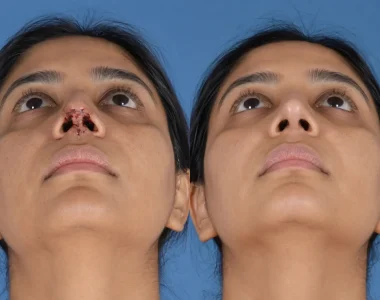
Understanding Nasal Reconstruction
What Is Reconstructive Rhinoplasty?
Reconstructive rhinoplasty is a type of nasal reconstruction used to restore or rebuild nasal structures that are abnormal, damaged or deficient. Treatment may be considered after trauma, congenital nasal deformity, infection, previous surgery, tissue loss or collapse of the nasal framework.
Unlike purely cosmetic reshaping, reconstructive rhinoplasty often begins with structural stability. The bridge, middle vault, tip, septum, sidewalls and soft-tissue envelope may all need to be assessed before deciding what can be rebuilt and in what order.
For patients considering reconstructive rhinoplasty in Rajkot, the treatment plan is based on individual nasal anatomy, the cause of the structural problem, breathing concerns, tissue quality and realistic treatment goals.
You can also explore our General ENT services in Rajkot if you have broader ear, nose or throat concerns along with your nasal condition.
Interactive Reconstruction Architecture
Build a Structural Reconstruction Priority Map
Adjust the planning priorities. The dashboard responds by changing the emphasis placed on framework stability, external contour and airway protection.
Bridge, septum, sidewall and tip stability.
Alignment, proportion and visible form.
Passage width, valve stability and airflow.
The Order of Reconstruction Matters
Why Stable Nasal Support Usually Comes Before Fine Contour
When the nasal framework is weak, absent or distorted, shaping the surface alone may not produce a durable result. The underlying bridge, septum, sidewalls or tip may first need to be stabilised or rebuilt.
Once structural support is reliable, the external contour can be refined more predictably. This sequence helps connect appearance with long-term stability and airway preservation.
Reconstructive planning often moves from foundation to framework, then from framework to visible refinement.
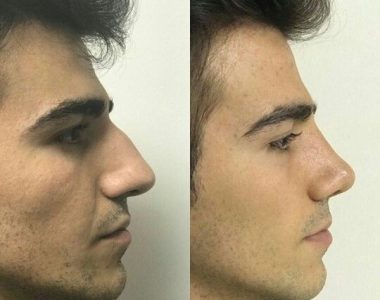
Interactive Repair Sequence
How Reconstructive Rhinoplasty Planning Works
Select each stage to see how assessment, foundation, function, refinement and follow-up connect within a reconstructive pathway.
Assessment stage
Map the Structural Defect
Identify which structures are missing, weak, displaced or scarred and how the problem affects both external form and nasal function.
- Review trauma, congenital history or previous surgery
- Assess bridge, septum, sidewalls and tip
- Evaluate scars, tissue quality and airflow
Framework stage
Build a Stable Nasal Foundation
Structural support may need to be restored before detailed contour refinement can be planned reliably.
- Rebuild bridge or middle-vault support
- Strengthen septal and tip framework
- Re-establish stable alignment
Functional stage
Protect or Improve the Nasal Airway
Reconstruction should protect nasal breathing and may need to correct septal, valve or sidewall narrowing.
- Assess internal passage width
- Support weak nasal valves
- Preserve breathing through both sides
Refinement stage
Refine the External Nasal Contour
Once support is stable, the visible bridge, tip, symmetry and proportions can be refined within tissue and healing limitations.
- Refine bridge and tip contour
- Improve symmetry where possible
- Balance form with structural stability
Follow-up stage
Monitor Healing and Nasal Stability
Swelling, scar maturation and tissue adaptation continue over time. Follow-up evaluates support, airflow and contour.
- Review swelling and scar behaviour
- Monitor support and breathing
- Allow sufficient time before final assessment

Understanding Graft Material
Why Additional Cartilage May Be Needed in Nasal Reconstruction
When existing cartilage is missing, weak or distorted, additional material may be needed to recreate support. Depending on the case, cartilage may be considered from the septum, ear or rib.
The choice depends on how much support is required, what tissue is available and which part of the nose needs reconstruction. Grafting introduces its own considerations, which should be explained before treatment.
- Why graft material may be required
- Which source may be suitable
- How the graft supports form or airflow
- Donor-site considerations and recovery
Possible Reconstructive Situations
When May Reconstructive Rhinoplasty Be Discussed?
The exact procedure depends on the cause, severity, available tissue and the patient’s functional and structural needs.
Trauma-Related Nasal Deformity
Nasal bones, cartilage, septum or structural support have been altered by an injury.
Congenital Nasal Difference
Shape, symmetry, support or breathing concerns have been present from birth.
Loss of Support After Previous Surgery
Previous treatment has left weakness, collapse, asymmetry or difficulty with nasal breathing.
Tissue Loss or Structural Damage
Infection, disease or another condition has affected normal nasal tissue or structural support.
Reconstructive Assessment and Planning
How Reconstructive Rhinoplasty Is Planned
Planning considers the origin of the defect, current anatomy, available tissue, airflow and realistic reconstructive goals.
-
01
Understand the Cause and Medical History
Review congenital differences, trauma, earlier surgery, infection, disease, symptoms and previous treatment records where available.
-
02
Map Missing, Weak or Displaced Nasal Structures
Examine the bridge, septum, sidewalls, tip, soft tissue, scars and nasal airway.
-
03
Design the Reconstructive Sequence
Decide what must be stabilised, rebuilt, repositioned or grafted and whether treatment may need more than one stage.
-
04
Review Risks, Limitations and Recovery
Discuss realistic outcomes, graft considerations, possible complications, follow-up and the time required for healing.
Related Rhinoplasty and ENT Services
Explore Related Nose and ENT Treatments in Rajkot
Explore related services if your nasal concern involves breathing, structural deformity, previous surgery or another ENT condition.
Rhinoplasty Services
Learn more about rhinoplasty options for nasal structure, appearance and function.
Explore Rhinoplasty Services →Rhinoplasty Specialist in Rajkot
Find information about consultation and rhinoplasty care available in Rajkot.
Visit Rajkot ENT Clinic →General ENT Services
Explore care for a range of ear, nose and throat conditions and concerns.
Explore General ENT Services →Contact Dr. Manali Kakadia
Schedule a consultation to discuss your nasal structure, breathing concerns and treatment options.
Schedule a Consultation →Reconstructive Rhinoplasty FAQs
Frequently Asked Questions About Reconstructive Rhinoplasty
General information about nasal reconstruction, grafts, trauma, congenital concerns, breathing and staged treatment.
Ask About Reconstructive RhinoplastyWhat is reconstructive rhinoplasty?
Reconstructive rhinoplasty restores or rebuilds abnormal, damaged or deficient nasal structures. It may aim to improve support, contour, symmetry, breathing or a combination of these concerns.
How is reconstructive rhinoplasty different from cosmetic rhinoplasty?
Cosmetic rhinoplasty primarily changes visible nasal appearance. Reconstructive rhinoplasty focuses on restoring structures affected by trauma, congenital differences, tissue loss, disease or previous surgery, although appearance and function often overlap.
Can reconstructive rhinoplasty improve breathing?
It may improve breathing where obstruction is caused by damaged, weak, displaced or deficient structures. Improvement cannot be guaranteed and depends on the cause of obstruction and the structures treated.
Will cartilage grafting be required for nasal reconstruction?
Not in every case. Grafting may be considered when existing cartilage cannot provide sufficient support or shape. The surgeon should explain the proposed source, purpose and donor-site considerations.
Can reconstructive rhinoplasty require more than one operation?
Yes. Complex defects, significant tissue loss or staged reconstruction may require more than one procedure. The likely sequence should be discussed during planning.
Can the nose be restored exactly to its previous appearance?
Exact restoration cannot be guaranteed. The achievable result depends on the defect, available tissue, scarring, support, healing and individual anatomy.
How long does reconstructive rhinoplasty recovery take?
Early swelling and bruising usually improve over the first few weeks, while structural healing and contour refinement continue for months. More complex or staged reconstruction may require a longer overall treatment period.
Take the Next Step
Discuss Reconstructive Rhinoplasty, Nasal Support and Breathing
Book a consultation with Dr. Manali Kakadia for an individual assessment of nasal deformity, structural loss, airway function and reconstructive treatment options in Rajkot.