Parotid Surgery (Parotidectomy) in Rajkot
Parotid Surgery for Safe, Precise Removal of Salivary Gland Tumors
A lump or swelling near the jaw or in front of the ear is often the parotid gland, the body's largest salivary gland. Most parotid tumors are benign, but proper evaluation and, when needed, precise surgery with facial nerve protection is what delivers the best outcome.
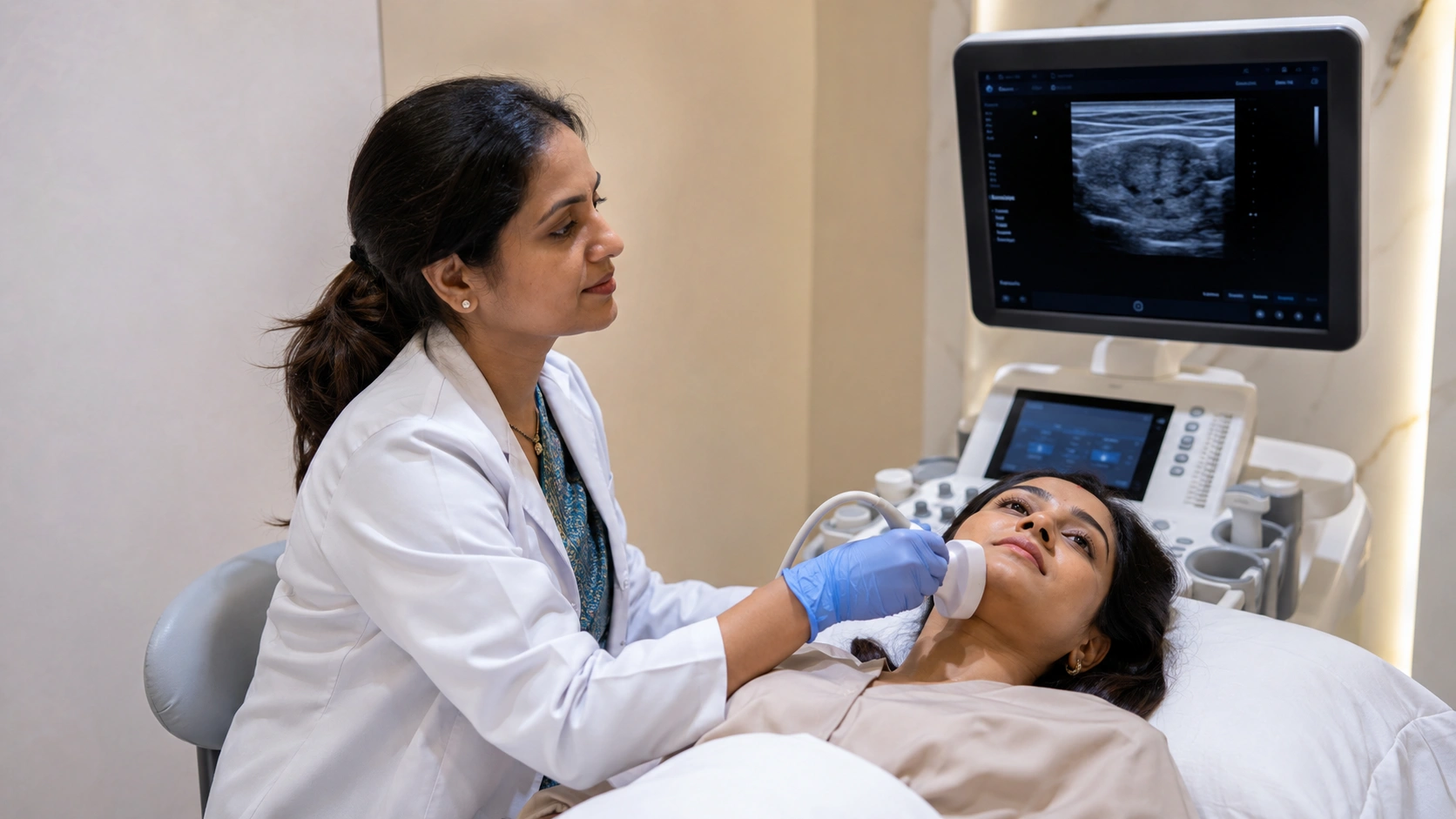
- Ultrasound and clinical examination used together
- Facial nerve identified and monitored throughout surgery
- Findings and options explained clearly before you decide
Understanding Parotid Gland Surgery
What Is Parotid Gland Surgery?
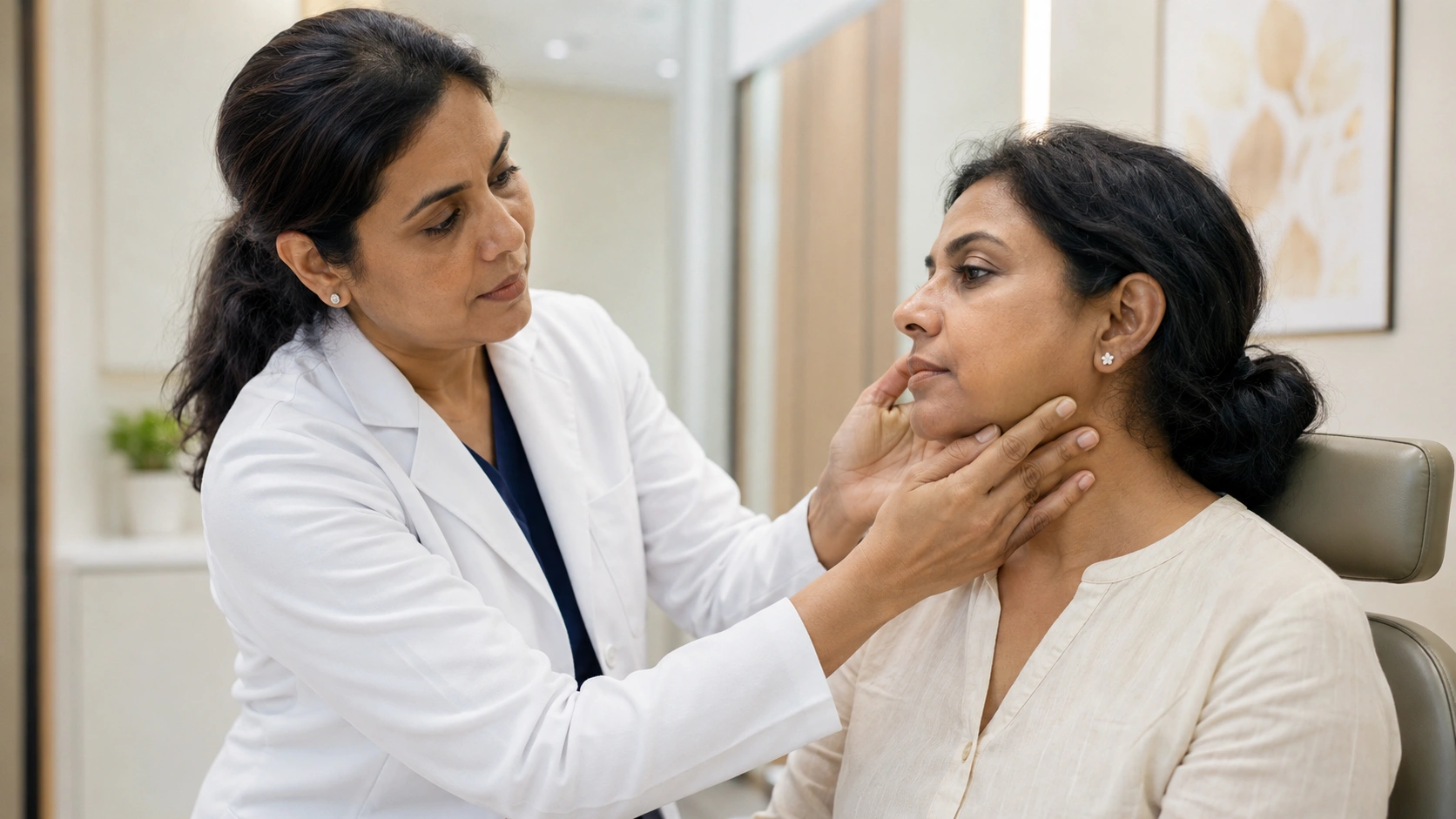
The parotid glands sit just in front of each ear and produce saliva. Parotid surgery, or parotidectomy, is most often performed to remove a lump or tumor within the gland, whether it was noticed as a visible swelling or found during imaging.
The facial nerve runs directly through the parotid gland, which is why evaluation and surgical planning are approached with particular care, and why facial nerve monitoring is used throughout the procedure.
For a more detailed guide to parotid lumps, diagnosis, superficial and total parotidectomy, facial nerve monitoring, recovery and when surgery may be considered, read our article on parotid surgery in Rajkot .
Interactive Comparison
Types of Parotid Surgery: What's the Difference?
Parotidectomy isn't always the same procedure. Switch between the two to understand the general difference.
The more common procedure
Superficial Parotidectomy
This removes the outer, superficial portion of the parotid gland, where most tumors are located, while preserving the deeper lobe.
A more extensive procedure
Total Parotidectomy
This removes both the superficial and deep lobes of the parotid gland, used when a tumor extends deeper or the diagnosis calls for more complete removal.
A Common, Often Misunderstood Finding
Why Most Parotid Lumps Are Benign, But Still Deserve a Proper Look
A swelling near the jaw or ear can feel alarming the moment it's noticed, but the majority of parotid gland tumors turn out to be benign once properly evaluated, with the most common types growing slowly over time.
That said, size and location alone don't tell the full story. Ultrasound imaging, and sometimes a fine needle aspiration biopsy, are what actually characterise a specific lump, rather than assumptions based on how it looks or feels.
A calm, proper evaluation almost always tells you more than worrying about it ever will.
Why Patients Choose This Practice
Why Choose Dr. Manali Kakadia for Parotid Surgery in Rajkot
Parotid surgery calls for precision and patience in equal measure. Here's what that looks like in practice.
Facial Nerve-Focused Technique
Nerve monitoring is used throughout every parotidectomy, not treated as an optional extra.
Thorough Pre-Surgical Evaluation
Ultrasound and fine needle aspiration are used to understand exactly what's being treated before any surgical decision.
Clear, Unhurried Explanations
Findings and options are explained in plain language, with time for questions before any decision is made.
Structured Recovery Support
Follow-up continues after surgery to track healing and facial nerve function, not just the incision.
Interactive Self-Check
Do Any of These Sound Familiar?
Tap anything that feels true for you. This is a simple starting point, not a diagnosis.
Your Self-Check
This self-check is for general awareness only and does not replace a proper clinical assessment.
How Care Is Planned
What May Be Included in Your Care
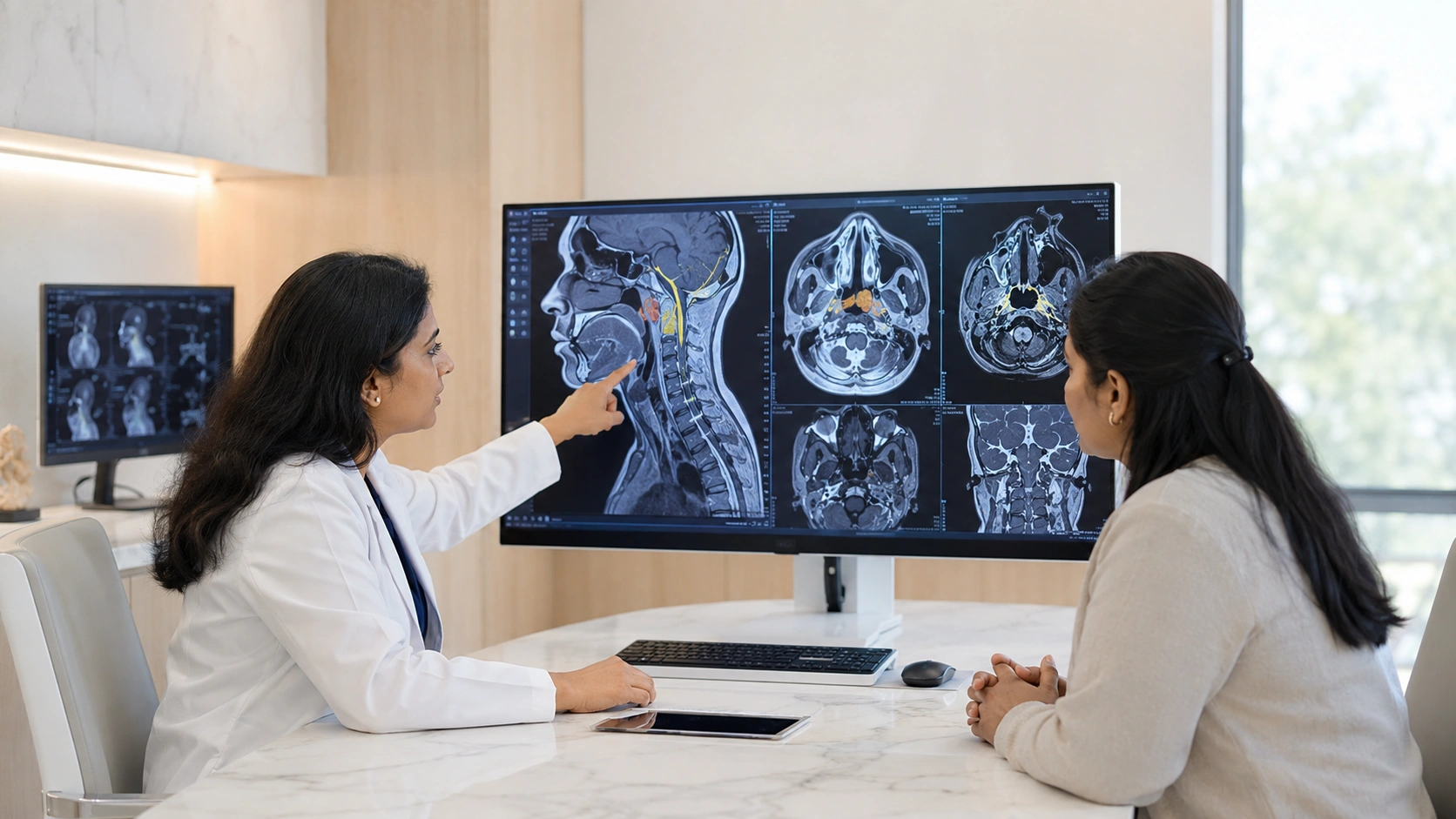
Care moves in stages, from evaluation and diagnosis through to surgery, planned around your specific findings and how the gland is affected.
Parotid Evaluation & Imaging
Clinical examination and ultrasound to assess the gland and any lump found.
Fine Needle Aspiration
A small sample taken to characterise a lump further, where appropriate.
Superficial Parotidectomy
Removal of the outer gland lobe for tumors confined to that layer.
Total Parotidectomy
Complete gland removal when the diagnosis calls for a more extensive procedure.
Addressing the Question Most Patients Ask First
Facial Nerve Protection During Surgery
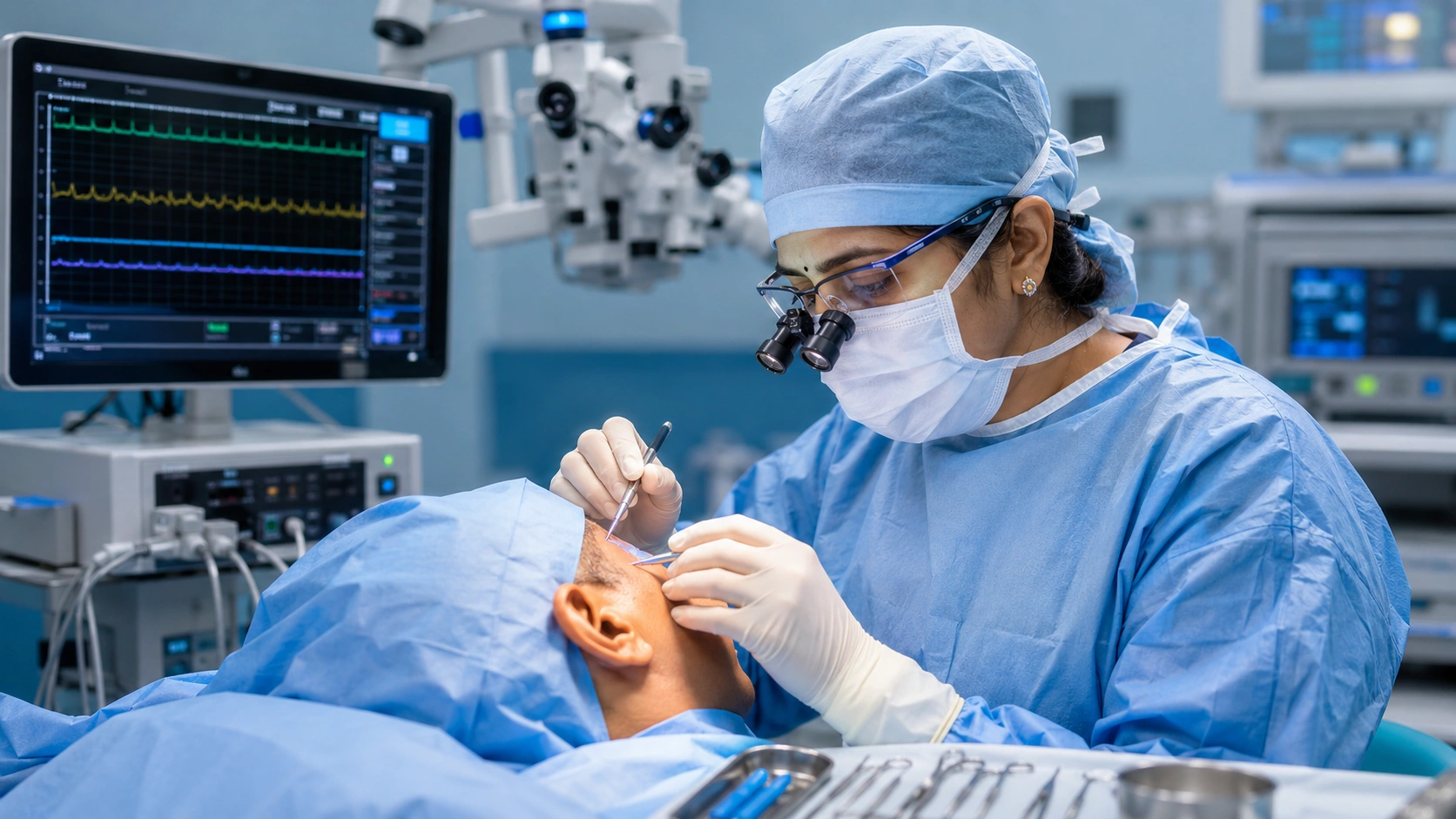
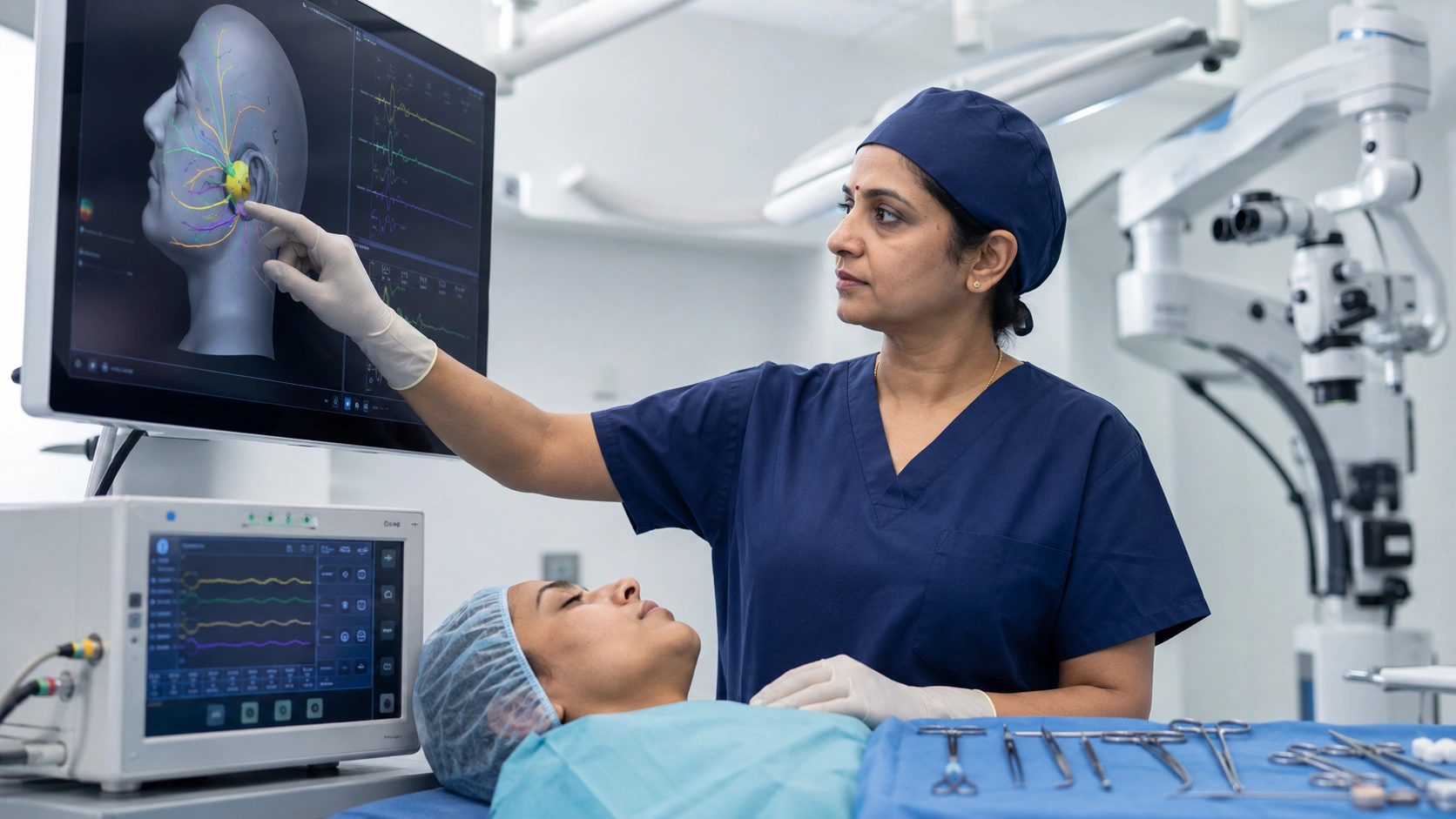
The facial nerve, responsible for movement across the face, passes directly through the parotid gland. Protecting it is treated as central to the procedure, not an afterthought.
- Real-time nerve signal tracking throughout the surgery
- Immediate feedback during dissection near the nerve
- Used consistently, from start to finish of the procedure
- Findings discussed clearly with you afterward
Worth Knowing
A Few Quick Facts About Parotid Tumors
Most Parotid Tumors Are Benign
The majority turn out to be non-cancerous once properly evaluated.
The Facial Nerve Runs Through the Gland
This is exactly why surgical planning and nerve monitoring matter so much.
Growth Rate Matters as Much as Size
How a lump has changed over time is a key part of the overall picture.
Nerve Monitoring Is Now Standard Practice
It's a routine, expected part of modern parotid surgery, not an unusual add-on.
Something Worth Knowing
You Don't Need to Wait for It to Grow Bigger
It's natural to want to "keep an eye on it" before booking an evaluation, especially if it doesn't hurt. But earlier evaluation usually means more information, more options, and often a more straightforward procedure if surgery does turn out to be needed.
Waiting for a lump to become undeniable isn't the same as being cautious. A calm, early look is almost always the better path.
Consultation and Planning
How Parotid Concerns Are Evaluated
- 01
Discuss History and Examination
Review how the swelling was noticed and how it's changed, alongside a clinical facial examination.
- 02
Ultrasound and Imaging Evaluation
Imaging to assess the gland, the lump's characteristics, and its extent.
- 03
Fine Needle Aspiration If Needed
A small sample taken to characterise the finding further, where relevant.
- 04
Plan Surgery With Nerve Protection
Discuss the appropriate procedure, with facial nerve monitoring built into the plan.
Parotid Surgery FAQs
Questions Before Your Visit
General information about evaluation, surgery, safety and recovery.
Ask a QuestionIs parotid surgery safe?
It's a well-established, commonly performed procedure. Facial nerve monitoring is used throughout to protect nerve function during surgery.
Will parotid surgery affect my face?
Protecting facial movement is a central focus of the procedure. Careful nerve identification and monitoring are used specifically to minimise this risk.
How is the facial nerve protected during surgery?
Real-time nerve monitoring tracks nerve signals throughout the operation, giving immediate feedback during dissection near the nerve.
Are all parotid tumors cancerous?
No. Most parotid tumors are benign. Evaluation with imaging and, where needed, a biopsy is what confirms the specific diagnosis.
How long is recovery after parotidectomy?
Many patients resume normal activities within a couple of weeks, with follow-up continuing to monitor healing and facial nerve function.
Is there visible scarring after parotid surgery?
The incision is generally placed along natural skin creases near the ear and tends to heal and fade well over time.
Take the Next Step
Get Clarity on Your Parotid Lump, With Facial Nerve Care Built In
Book a consultation with Dr. Manali Kakadia to discuss your swelling, undergo a proper evaluation, and understand your options, clearly and without pressure.