
Thyroid Surgery in Rajkot
Thyroid Surgery for Nodules, Enlargement and Thyroid Conditions
A thyroid nodule or swelling is a common finding, and most turn out to be benign. A proper evaluation is what actually determines whether monitoring, further testing, or surgery is the right next step.
- Ultrasound and clinical examination used together
- Further testing considered only where relevant
- Surgery explained clearly if it's genuinely the right step
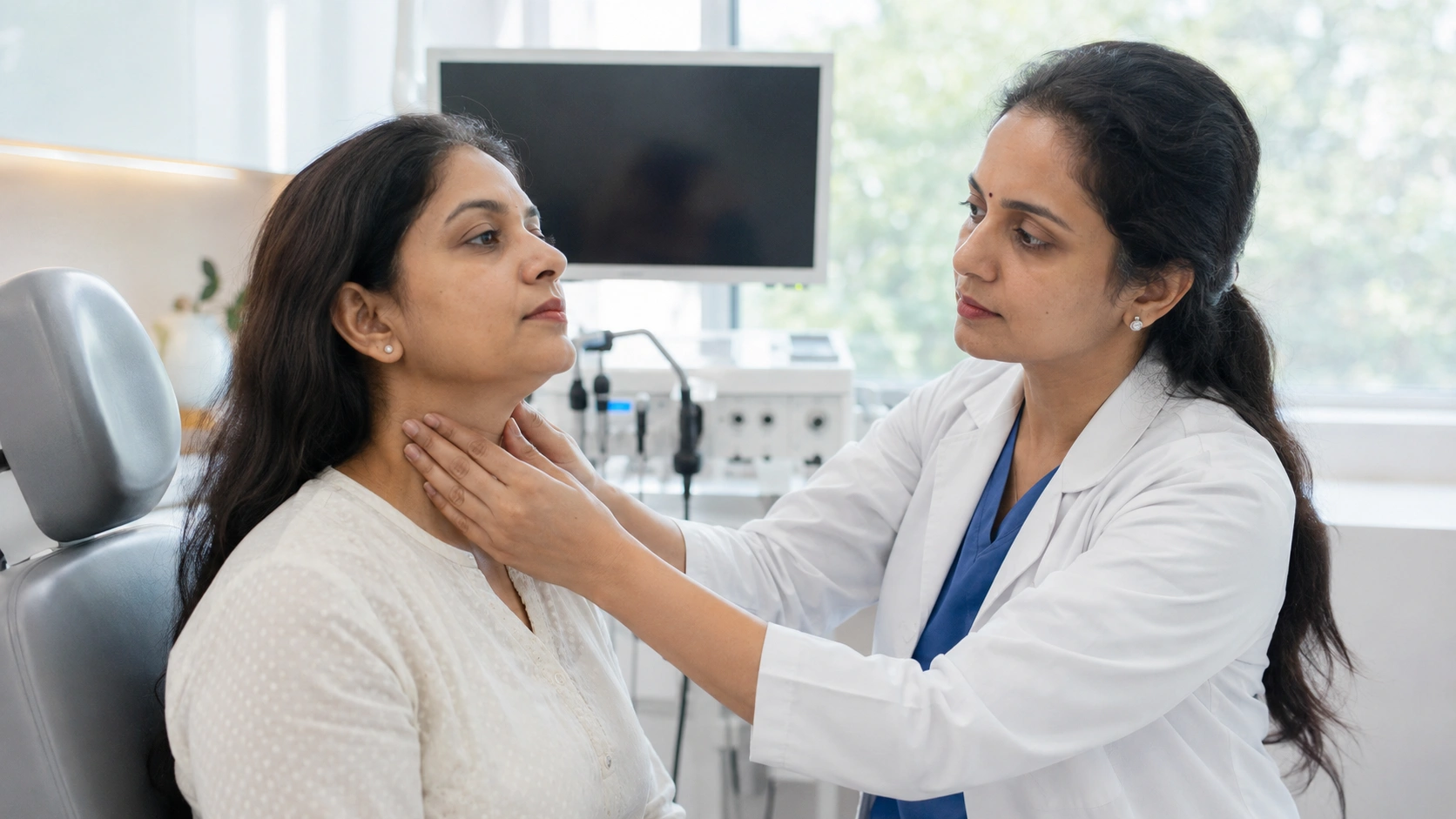

Understanding Thyroid Evaluation
What Does Thyroid Evaluation Involve?
Evaluation usually starts with a clinical examination of the neck, followed by an ultrasound to look closely at the size, shape and characteristics of the thyroid and any nodules.
Depending on what's found, a fine needle aspiration (a small sample taken with a thin needle) may be used to characterise a nodule further, alongside blood tests to check how the thyroid is functioning.
For a more detailed guide to thyroid nodules, enlargement, diagnostic evaluation, surgery options, recovery and when an operation may be considered, read our article on thyroid surgery in Rajkot .
Interactive Comparison
Types of Thyroid Surgery: What's the Difference?
When surgery genuinely is the right option, it isn't always the same procedure. Switch between the two to understand the general difference.
Removing one side
Lobectomy
A lobectomy removes one side of the thyroid gland, leaving the other lobe in place.
Removing the entire gland
Total Thyroidectomy
A total thyroidectomy removes the entire thyroid gland, both lobes together.
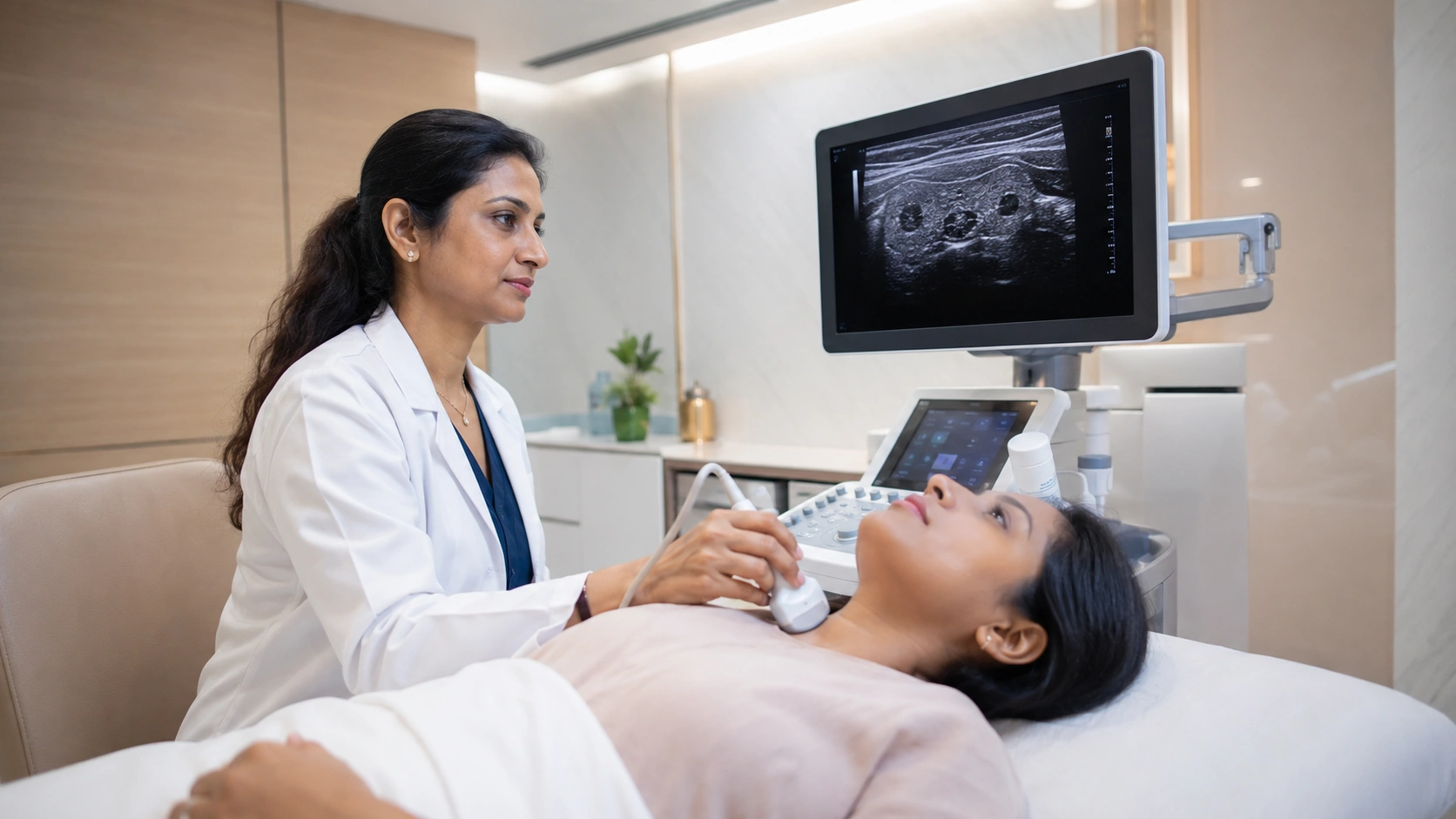
A Common, Often Misunderstood Finding
Why Most Thyroid Nodules Don't Need Surgery
Hearing "thyroid nodule" can sound more alarming than it usually is. Nodules are a common finding, and a large number are discovered incidentally, on a scan done for something else entirely, rather than because of any symptom.
The great majority turn out to be benign once properly evaluated. Surgery is reserved for specific situations, not used as a default response to any nodule that's found.
Finding something is the start of a conversation, not the end of one. What it turns out to be is what actually matters.
Interactive Self-Check
Do Any of These Sound Familiar?
Tap anything that feels true for you. This is a simple starting point, not a diagnosis.
Your Self-Check
This self-check is for general awareness only and does not replace a proper clinical assessment.
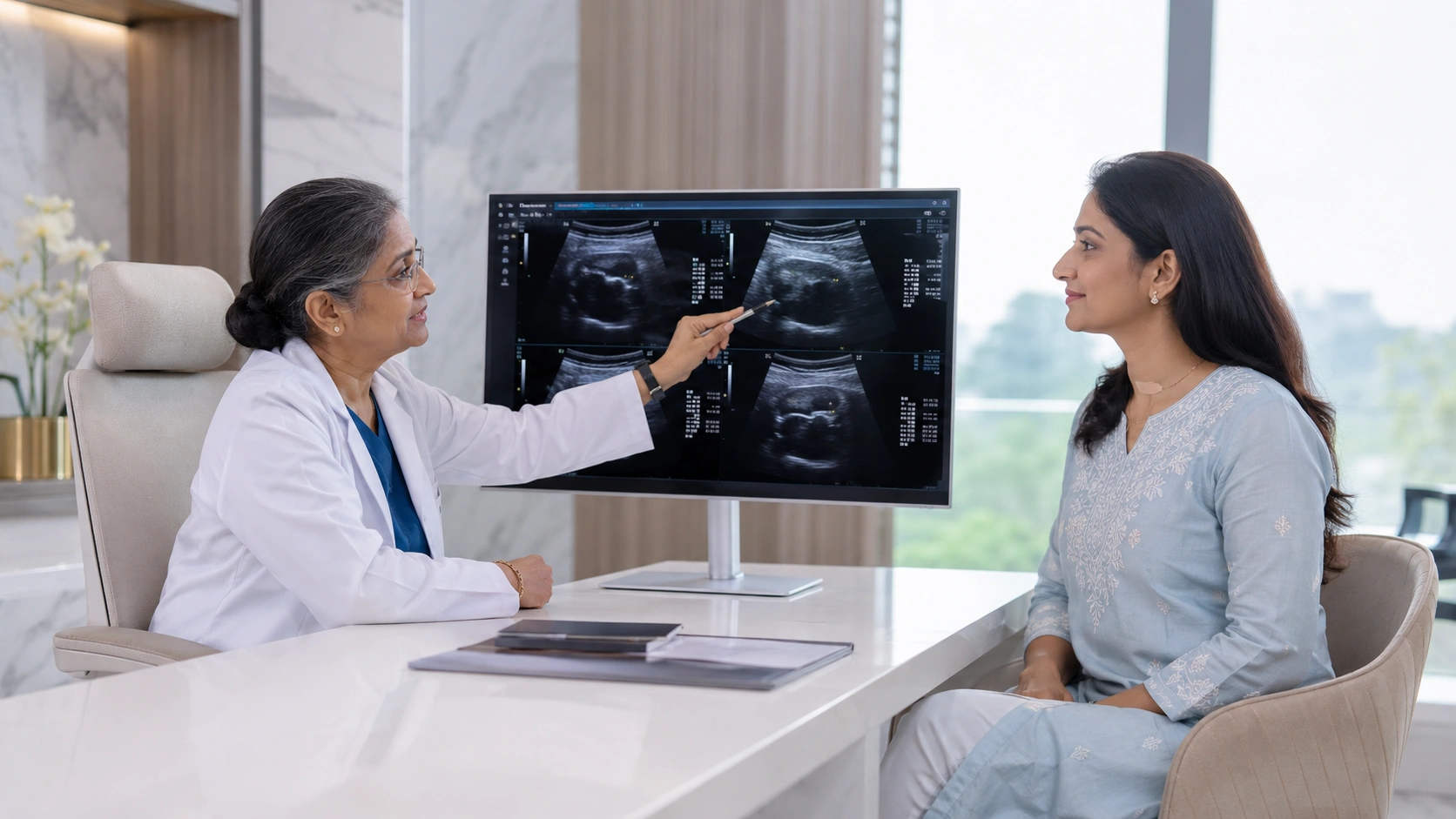
How Care Is Planned
What May Be Included in Your Care
Care is built in stages, starting with evaluation and moving toward monitoring or surgery only once there's a clear picture of what's actually being dealt with.
Thyroid Evaluation & Ultrasound
Clinical examination and imaging to assess the thyroid and any nodules.
Fine Needle Aspiration
A small sample taken to characterise a nodule further where needed.
Lobectomy
Removal of one side of the thyroid when appropriate for the specific finding.
Total Thyroidectomy
Complete removal of the thyroid gland when the diagnosis calls for it.
Worth Knowing
A Few Quick Facts About Thyroid Nodules
Most Thyroid Nodules Are Benign
The majority turn out to be non-cancerous once properly evaluated.
Many Are Found Incidentally
Nodules are often discovered on a scan performed for a completely unrelated reason.
Ultrasound Is the First Step, Not the Final Answer
Imaging guides what further testing, if any, is actually needed.
Surgery Is One Option Among Several
Monitoring or further testing is often appropriate before surgery is ever considered.
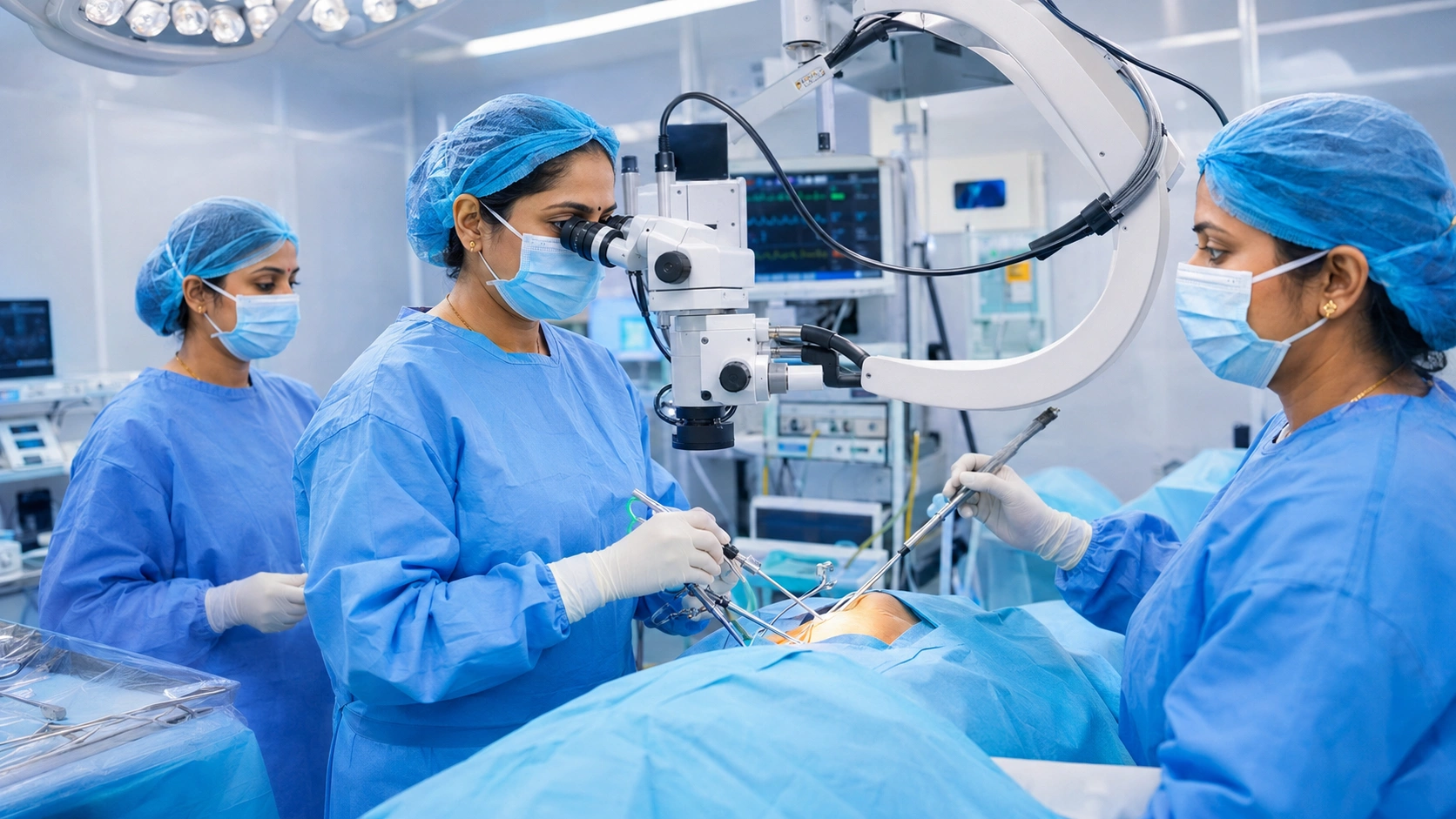
Something Worth Knowing
Recovery Is More Structured Than People Expect
Many patients worry about thyroid surgery based on assumptions rather than what it actually involves. The incision is typically placed along a natural neck crease and tends to heal well over time.
Regular follow-up afterward tracks healing and, where relevant, hormone levels, so recovery is monitored and adjusted along the way rather than left to guesswork.
Consultation and Planning
How Thyroid Concerns Are Evaluated
- 01
Discuss History and Examination
Review symptoms, family history, and perform a clinical neck examination.
- 02
Ultrasound Evaluation
Imaging to assess the thyroid and characterise any nodules found.
- 03
Further Testing If Needed
Fine needle aspiration or blood tests, where the findings call for it.
- 04
Plan Treatment
Discuss monitoring, further testing, or surgery, based on what's actually found.
Thyroid Surgery FAQs
Questions Before Your Visit
General information about evaluation, surgery, recovery and follow-up.
Ask a QuestionDoes every thyroid nodule need a biopsy?
No. Whether a biopsy is needed depends on the nodule's size and ultrasound characteristics, assessed individually.
Is thyroid surgery considered major surgery?
It's a well-established procedure with a generally predictable recovery, though the specifics depend on the type of surgery performed.
Will I need medication after surgery?
This depends on how much thyroid tissue is removed. A total thyroidectomy typically requires lifelong hormone replacement, while a lobectomy sometimes doesn't.
How noticeable is the scar?
The incision is generally placed along a natural neck crease and tends to fade and blend well as it heals.
Can thyroid function return to normal after a lobectomy?
In many cases, the remaining lobe continues to function adequately, though this is confirmed through follow-up testing.
How long does recovery take?
Many patients resume normal activities within a couple of weeks, with follow-up continuing to monitor healing and thyroid function.
Take the Next Step
Get Clarity on Your Thyroid Finding
Book a consultation with Dr. Manali Kakadia to discuss your symptoms or scan findings, undergo a proper thyroid evaluation, and understand the right next step for your specific case.