
Nosebleed Treatment in Rajkot
Nosebleed Treatment for Lasting Relief From Recurring Epistaxis
An occasional nosebleed is common and usually harmless. But nosebleeds that keep returning, take a long time to stop, or happen without any clear reason, usually have a specific, treatable cause worth identifying.
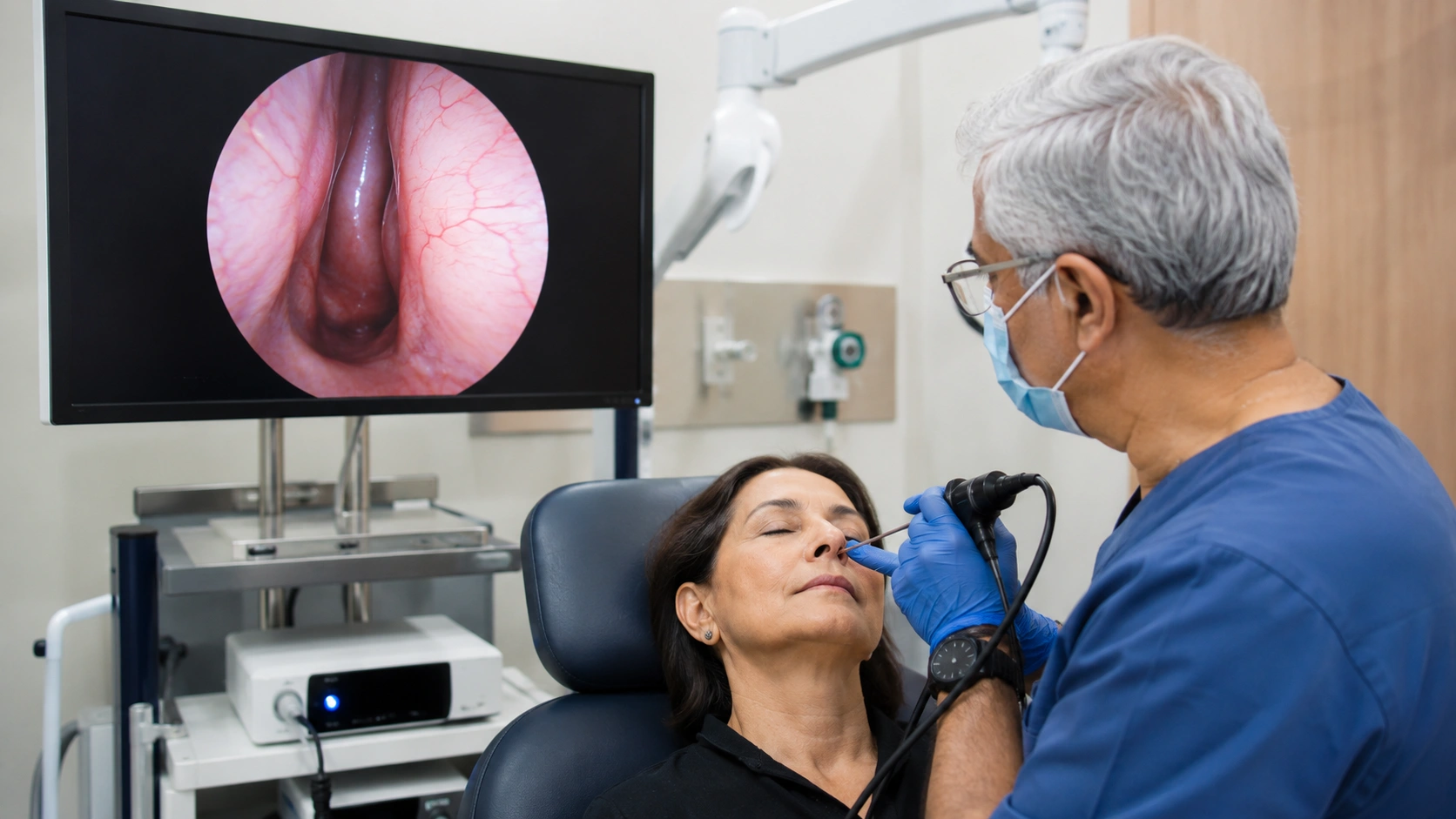
- Nasal endoscopy used to locate the exact bleeding point
- Medication and health factors considered, not just the nose
- Treatment matched to how often and how heavily it happens

Understanding Nosebleeds
What Causes Nosebleeds?
Most nosebleeds start from small blood vessels near the front of the nose, often triggered by dry air, minor irritation, or picking. These are usually brief and stop with simple pressure.
Nosebleeds that happen often, take a long time to stop, or occur without any obvious trigger can point toward a specific site inside the nose, a medication effect, or another contributing factor that's worth identifying properly.
Interactive Care Path Finder
How Should You Think About Your Nosebleeds?
Answer four quick questions for a general sense of what's usually considered next. This is guidance, not a diagnosis.
If you're currently experiencing heavy bleeding that hasn't stopped after about 20 minutes of firm, continuous pressure, or it followed a significant injury, please seek emergency care right away rather than continuing with this guide.
How often do nosebleeds happen?
How would you describe the bleeding when it happens?
Are you on blood-thinning medication, or have a bleeding-related condition?
Does it happen after an injury, or without any clear reason?
Result
Result description.
This is general educational guidance only, not a diagnosis. If you're ever unsure or bleeding is heavy and won't stop, seek emergency care rather than waiting.

Beyond Pinching and Waiting
Why Recurring Nosebleeds Deserve a Proper Look
Applying pressure stops the bleeding in the moment, but it doesn't explain why it happened, or why it might happen again next week. For a pattern that keeps repeating, that question matters.
A nasal endoscopy allows the exact bleeding point to be located directly, rather than guessing based on which side bled most recently. That's usually what makes treatment actually effective.
If recurring nosebleeds are becoming a regular problem, you may also want to read our Nosebleed Treatment in Rajkot guide for more detail on common causes, when ENT evaluation is useful, treatment options and when urgent care may be needed.
Treating the moment stops the bleeding. Finding the source is what stops the pattern.
Common Misunderstandings
Myths vs Facts About Nosebleeds
Tap a card to reveal the fact.

How Care Is Planned
What May Be Included in Your Treatment
Treatment is built around what's actually causing the bleeding, from a single identifiable site to broader contributing factors like medication or blood pressure that may need coordinated care with your physician.
Nasal Endoscopy Evaluation
A detailed internal examination to locate the exact bleeding site.
Identifying the Bleeding Source
Confirming whether one specific vessel or area is repeatedly responsible.
Cauterisation Treatment
Sealing the identified bleeding point, typically as a quick outpatient procedure.
Managing Underlying Contributors
Coordinating care around medication or health factors that may be adding to the pattern.
Worth Knowing
A Few Quick Facts About Nosebleeds
Most Start Near the Front of the Nose
The majority of nosebleeds come from small vessels just inside the nostril, which is why front-of-nose pressure usually works.
Dry Air Is a Very Common Trigger
Low humidity, especially in air-conditioned spaces, can dry and irritate the nasal lining, making bleeding more likely.
Certain Medications Increase the Chances
Blood thinners and some other medications can make nosebleeds more frequent or harder to stop.
Recurring Episodes Usually Have a Findable Cause
A repeating pattern is rarely random, and identifying the cause is usually what actually resolves it.
Something Worth Knowing
When a Nosebleed Needs Immediate Attention
Most nosebleeds are manageable with simple pressure at home and don't need urgent care. But a small number of situations are different, and it's worth knowing the difference in advance rather than deciding in the moment.
Seek emergency care if bleeding is heavy and hasn't stopped after about 20 minutes of firm, continuous pressure, if it follows a significant facial injury, if you feel faint, dizzy or have difficulty breathing, or if you're on blood-thinning medication and the bleeding is heavy. For anything less urgent but still recurring or concerning, a routine consultation is the right next step.
Consultation and Planning
How Nosebleeds Are Evaluated
- 01
Discuss Frequency and Pattern
Explain how often it happens, how heavy it is, and any medication or health history.
- 02
Nasal Endoscopy Examination
A direct, magnified view inside the nose to locate the bleeding site.
- 03
Identify the Bleeding Source
Confirm whether a specific vessel, area, or broader factor is responsible.
- 04
Plan Treatment
Discuss cauterisation or other appropriate options, and any coordination needed with other care.
Nosebleed Treatment FAQs
Questions Before Your Visit
General information about causes, evaluation, treatment and when to seek urgent care.
Ask a QuestionWhen should I go to the emergency room instead of booking a routine consultation?
Seek emergency care if bleeding is heavy and doesn't stop after about 20 minutes of firm pressure, follows a significant injury, or comes with dizziness, faintness or difficulty breathing.
What's the correct first-aid technique for a nosebleed?
Sit upright, lean slightly forward, and pinch the soft part of the nose firmly for about 10 to 15 minutes without checking too soon. Avoid tilting the head back.
Why do I keep getting nosebleeds for no clear reason?
Recurring nosebleeds without an obvious trigger often have a specific findable cause, such as a particular vessel inside the nose, that an examination can identify.
Is cauterisation painful?
It's typically performed under local anaesthesia and is usually well tolerated, with most patients describing only mild discomfort.
Can blood pressure or medication cause nosebleeds?
Yes. Both can make nosebleeds more frequent or harder to control, which is why your broader health history is part of the evaluation.
Will treatment stop nosebleeds from happening again?
Treating the identified cause significantly reduces recurrence for most patients, though ongoing factors like dryness or medication may still need general care.
Take the Next Step
Find Out What's Actually Behind Your Nosebleeds
Book a consultation with Dr. Manali Kakadia to discuss the pattern, undergo a proper nasal evaluation, and get a treatment plan built around the actual cause.