
ENT Specialist
Nasal Blockage Treatment
Nasal blockage treatment starts by identifying why airflow is restricted rather than treating congestion as one condition. Persistent obstruction may come from septal deviation, enlarged turbinates, nasal valve narrowing, rhinitis, polyps, sinus inflammation or several causes acting together, so treatment is matched to the actual source of the blockage.
- One-sided, alternating and constant blockage patterns assessed
- Septum, turbinates, nasal valves and inflammation reviewed
- Medical treatment considered before surgery when appropriate

Understanding Nasal Obstruction
Find the Cause Before Choosing Nasal Blockage Treatment
Nasal obstruction is a symptom rather than a single diagnosis. One patient may have a deviated septum narrowing one side, another may have swollen turbinates from rhinitis, while someone else may have nasal valve collapse or polyps. Mixed causes are also common.
Current ENT guidance emphasises evaluating each contributing site rather than assuming septoplasty or turbinate treatment will solve every type of obstruction. The American Academy of Otolaryngology–Head and Neck Surgery specifically notes that nasal valve dysfunction is diagnosed clinically and may need treatment alongside other obstructive conditions. Read the AAO-HNS position statement on nasal valve dysfunction .
When the obstruction is mainly caused by septal deviation, deviated septum treatment may be relevant. If symptoms include recurrent facial pressure, discharge or reduced smell, a sinus evaluation may also be required.
The treatment goal is to improve airflow by addressing the actual obstructive mechanism while avoiding unnecessary procedures that do not target the cause.
Treatment Information
Nasal Blockage Treatment Details
| Condition / Concern | Persistent nasal obstruction, one-sided blockage, alternating congestion, mouth breathing or reduced nasal airflow |
|---|---|
| Possible Causes | Septal deviation, turbinate enlargement, rhinitis, nasal valve dysfunction, polyps, sinus disease or mixed obstruction |
| Assessment | Clinical history, nasal examination and endoscopy where useful; imaging only when clinically indicated |
| Treatment Approach | Medical therapy, structural correction or combined treatment based on the confirmed cause |
Understanding Nasal Blockage
What Is Nasal Blockage?
Nasal blockage, also called nasal obstruction, is the feeling that air cannot move freely through one or both nasal passages. It may be constant, intermittent, one-sided, alternating or worse during sleep, exercise or exposure to triggers.
The obstruction can come from fixed anatomy such as a deviated septum or narrow nasal valve, from swollen soft tissue such as enlarged turbinates, or from inflammatory conditions including allergic or non-allergic rhinitis. Polyps and chronic sinus disease can also reduce airflow.
If you are trying to understand why nasal blockage keeps returning or remains persistent, read our detailed guide on why your nose may always feel blocked to explore common structural, inflammatory and sinus-related causes of nasal obstruction.
The MSD Manual’s current clinical review describes examination of the septum, turbinates, mucosa and polyps as part of nasal evaluation, with endoscopy used when a deeper view is required. Review the MSD Manual approach to nasal symptoms .
Explore Common Causes
Nasal Blockage: Which Cause May Be Contributing?
Different causes can produce similar breathing symptoms, which is why examination is important before deciding on treatment.
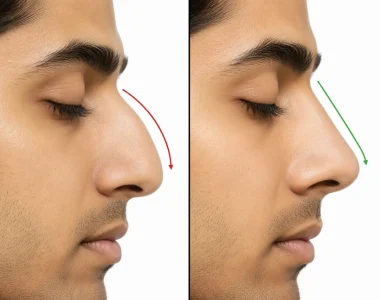
Septal Obstruction
Deviated Septum
A septum that bends toward one side can reduce the available breathing space and often causes persistent or predominantly one-sided obstruction.
- One-sided blockage
- Septal shape
- History of trauma
- Airway asymmetry

Soft-Tissue Obstruction
Enlarged or Swollen Turbinates
Turbinates can enlarge because of allergy, irritation or chronic inflammation and reduce airflow even when the septum is relatively straight.
- Turbinate size
- Rhinitis symptoms
- Response to medication
- Day/night variation

Narrow Airway Entrance
Nasal Valve Dysfunction
The nasal valve is the narrowest part of the airway. Weakness or collapse of the sidewall can make breathing difficult, especially during deep inspiration or exercise.
- Dynamic collapse
- Exercise-related obstruction
- Cottle response
- Sidewall support
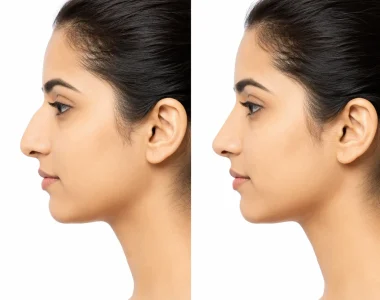
Inflammatory Blockage
Allergic or Non-Allergic Rhinitis
Inflammation can keep the nasal lining swollen and create fluctuating congestion associated with sneezing, itching, irritants or environmental changes.
- Trigger pattern
- Sneezing or itching
- Mucosal swelling
- Medical treatment response
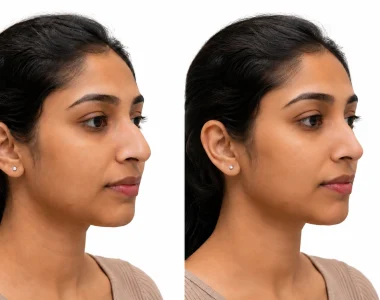
Sinonasal Obstruction
Polyps or Chronic Sinus Disease
Polyps and chronic sinus inflammation can physically narrow the nasal cavity or drainage pathways and may also affect smell, discharge or facial pressure.
- Polyps
- Sinus symptoms
- Reduced smell
- Need for endoscopy or imaging
Cause Comparison
Nasal Blockage Cause Comparison
The pattern of obstruction and examination findings help separate structural from inflammatory or sinus-related causes.
| Possible Cause | Typical Pattern | Assessment Focus | Common Treatment Direction |
|---|---|---|---|
| Deviated septum | Often persistent and worse on one side | Septal position and airway width | Medical symptom control or septoplasty when clinically appropriate |
| Turbinate enlargement | May fluctuate or remain chronic | Turbinate size and mucosal swelling | Rhinitis treatment and selected turbinate reduction |
| Nasal valve dysfunction | May worsen with exercise or deep inspiration | Dynamic sidewall collapse and valve support | Dilators, structural support or valve repair |
| Rhinitis | Often variable with triggers or environment | Mucosa, allergy history and inflammatory pattern | Medical management and trigger control |
| Polyps / sinus disease | Often with smell loss, discharge or sinus symptoms | Endoscopy and selected imaging | Medical sinus treatment and surgery when indicated |
When to Seek Assessment
Who May Benefit from a Nasal Blockage Evaluation?
An ENT assessment may be useful when nasal obstruction is persistent, repeatedly affects the same side, interferes with sleep or exercise, or does not respond adequately to appropriate medical treatment.
Persistent one-sided obstruction deserves examination
A consistently blocked side may suggest septal deviation, valve narrowing or another local structural cause. Less commonly, unilateral discharge, bleeding or a mass requires more urgent assessment.
If one nostril stays blocked more than the other, read our detailed guide on one-sided nasal blockage to understand common structural and inflammatory causes, warning signs and when an ENT evaluation may be appropriate.
Quality-of-life impact matters
Mouth breathing, disturbed sleep, reduced exercise tolerance and chronic congestion can all indicate that the obstruction is clinically meaningful rather than simply occasional stuffiness.
- One nostril feels blocked most of the time
- Breathing worsens during exercise or sleep
- Nasal sprays provide only partial or temporary relief
- Snoring or mouth breathing has increased
- Reduced smell, sinus symptoms or recurrent pressure accompany the blockage
Cleveland Clinic’s nasal obstruction guide similarly lists structural, inflammatory, polyp-related and congenital causes, reinforcing that treatment depends on the underlying diagnosis. Read Cleveland Clinic’s nasal obstruction overview .
Treatment Expectations
Why Nasal Blockage Treatment Depends on the Cause
There is no single treatment that works for every blocked nose. Structural obstruction does not disappear with allergy medication alone, while inflammatory swelling should not automatically be treated with surgery.
- Medical treatment is often the first step for rhinitis and inflammatory swelling.
- Septoplasty addresses symptomatic septal deviation but does not correct every form of nasal obstruction.
- Nasal valve dysfunction may need specific support or repair rather than septal surgery alone.
- Polyps and chronic sinus disease require a separate sinus-focused treatment plan.
The most effective plan is therefore diagnosis-led and may combine medication with structural treatment when more than one obstructive site is present.
Potential Benefits
Potential Benefits of Treating the Cause of Nasal Blockage
01Improved Nasal Airflow
Targeting the actual obstructive site can make breathing through the nose easier and more consistent.
02Less Mouth Breathing
Improved nasal airflow may reduce the need to rely on mouth breathing during sleep or daily activity.
03Better Exercise Tolerance
Patients with valve or structural obstruction may notice easier nasal breathing during exertion after appropriate treatment.
04Improved Sleep Comfort
Reducing persistent nasal obstruction can improve nighttime breathing comfort in selected patients.
05More Appropriate Long-Term Management
A confirmed diagnosis helps avoid repeated short-term treatment that does not address the underlying problem.
Safety & Treatment Limitations
Possible Side Effects of Nasal Blockage Treatment
Side effects depend on whether treatment is medical, office-based or surgical. Any procedure should be selected only after the obstructive cause has been confirmed.
Temporary Dryness or Irritation
Nasal sprays and postoperative healing can temporarily cause dryness, crusting or local irritation.
Bleeding
Minor bleeding can occur after nasal procedures; heavier or persistent bleeding requires medical review.
Temporary Congestion
Internal swelling after structural treatment can make the nose feel more blocked before airflow improves.
Incomplete Symptom Relief
Breathing may remain limited if more than one obstructive site is present or if an additional cause was not addressed.
Need for Further Treatment
Persistent valve, septal, turbinate or sinus problems may occasionally require additional medical or surgical management.
The Evaluation Pathway
Nasal Blockage Treatment: Step-by-Step Assessment
The sequence depends on symptoms and findings, but treatment should follow diagnosis rather than precede it.
-
01
Review the Obstruction Pattern
Discuss which side feels blocked, when symptoms occur, how long they have lasted and what treatments have already been tried.
-
02
Examine the Nasal Airway
Inspect the septum, turbinates, mucosa, nasal valve and any visible polyps or structural narrowing.
-
03
Use Endoscopy When Helpful
A nasal endoscope may be used to evaluate deeper parts of the nasal cavity, polyps, drainage pathways or additional causes of obstruction.
-
04
Decide Whether Imaging Is Needed
CT imaging is reserved for selected cases such as chronic sinus disease, complex anatomy or surgical planning rather than used automatically.
-
05
Start Cause-Specific Treatment
Medical treatment is used for inflammatory conditions, while structural problems are addressed only when symptoms and examination support intervention.
-
06
Review Response and Escalate if Needed
Follow-up determines whether breathing has improved and whether combined treatment or surgery is appropriate.
Before Treatment
How to Prepare for a Nasal Blockage Assessment
Preparation is usually simple. The most useful information is a clear symptom history, including which side is blocked, whether symptoms fluctuate, known allergies, previous nasal injury or surgery and which sprays or medicines have been tried.
Useful Information to Bring
- Symptom timeline: when the blockage started and whether it is constant or intermittent.
- Previous treatment: nasal sprays, antihistamines, decongestants or earlier procedures.
- Allergy and sinus history: sneezing, itching, discharge, facial pressure or reduced smell.
- Trauma or surgery history: previous fractures, septoplasty or rhinoplasty can alter the airway.
- Sleep and exercise symptoms: mouth breathing, snoring or obstruction during exertion can help localise the problem.
- Medication list: especially regular decongestant sprays or medicines affecting bleeding.
If surgery is being considered, preoperative tests are selected according to the planned procedure, anaesthesia and individual medical history rather than ordered routinely for every blocked nose.
When Surgery May Not Be the First Step
When Nasal Blockage Surgery May Be Delayed or Unnecessary
Surgery is not automatically required for nasal obstruction. It may be delayed when the main cause is inflammatory, when an infection is active, or when appropriate medical treatment has not yet been tried.
- Allergic or non-allergic rhinitis has not been adequately treated
- Active viral, bacterial or sinus infection is present
- Symptoms are mild and do not significantly affect daily life
- The structural abnormality is present but not actually causing obstruction
- Medical conditions increase surgical or anaesthetic risk
- The suspected obstructive site has not been confirmed on examination
For patients with confirmed symptomatic septal deviation, septoplasty surgery may be considered when conservative treatment is insufficient and the septum is a meaningful contributor to obstruction.
Nasal Airway Treatment Safety
Key Safety Principles in Nasal Blockage Treatment
Safe treatment depends on confirming the obstructive site, choosing the least invasive effective option and protecting nasal function.
Diagnosis Before Procedure
Treatment should target the documented cause rather than relying only on the sensation of congestion.
Medical Treatment First When Appropriate
Rhinitis and inflammatory swelling are often managed medically before considering structural intervention.
Airway Support Preservation
Septal, turbinate and valve procedures should maintain enough structural support for stable long-term breathing.
Selective Use of Imaging and Surgery
Endoscopy, CT and surgery are used according to clinical need rather than as routine steps for every patient.
Treatment Planning
What Can Affect the Cost of Nasal Blockage Treatment?
The cost depends entirely on the cause of obstruction and the treatment required. Medical management, endoscopic evaluation, septoplasty, turbinate reduction, nasal valve repair and sinus surgery involve very different levels of treatment.
Common Cost Factors
- Diagnosis: inflammatory rhinitis, septal deviation, nasal valve dysfunction and polyps require different treatment pathways.
- Procedure scope: combined septal, turbinate, valve or sinus treatment increases complexity.
- Endoscopy or imaging: these are added only when clinically useful.
- Anaesthesia and facility: surgical procedures may require operating-theatre and anaesthesia charges.
- Post-treatment care: medicines, nasal care and follow-up vary according to the procedure performed.
A meaningful estimate can only be given once the cause of the blockage and the necessary treatment have been identified.
Nasal Blockage Treatment Questions
Frequently Asked Questions About Nasal Blockage Treatment
General information about cosmetic nose reshaping, suitability, safety, recovery and treatment planning.
Ask a QuestionWhy does one nostril stay blocked more than the other?
Persistent one-sided blockage can occur with septal deviation, turbinate asymmetry, valve narrowing, polyps or another local cause. Alternating mild congestion can also occur as part of the normal nasal cycle.
Can nasal blockage be treated without surgery?
Yes. Rhinitis, allergy-related swelling and some other causes are usually treated medically first. Surgery is considered mainly when a structural problem is confirmed and symptoms remain significant.
How do doctors tell whether blockage is structural or inflammatory?
The pattern of symptoms, nasal examination and response to decongestion or medical treatment provide clues. Endoscopy may be used to inspect deeper areas of the nasal cavity when needed.
Is a CT scan necessary for a blocked nose?
No. CT is generally used when sinus disease, complex anatomy or surgical planning makes imaging useful. It is not required for every patient with nasal obstruction.
Can a deviated septum be present without causing blockage?
Yes. Septal deviation is common and many people have no symptoms. Treatment is based on clinically meaningful obstruction rather than the appearance of the septum alone.
Can nasal valve collapse cause blockage even after septoplasty?
Yes. Septoplasty corrects septal deviation but does not directly repair nasal valve dysfunction. When valve collapse contributes to obstruction, it may require separate assessment and treatment.
Take the Next Step
Find Out What Is Causing Your Nasal Blockage
Discuss persistent congestion, one-sided obstruction, mouth breathing, sleep symptoms and previous treatment with Dr. Manali Kakadia and get a cause-specific treatment plan.