Nose Corrections in Rajkot
Personalised Nose Correction for Shape, Symmetry and Facial Balance
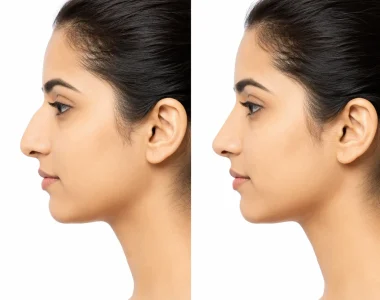
Nose correction surgery may address a crooked nose, visible hump, broad bridge, wide nostrils, uneven tip, asymmetry, congenital deformity or structural changes after injury. Treatment is planned according to the patient’s facial proportions, nasal anatomy, breathing and realistic goals.
- External shape and internal structure assessed together
- Correction planned around the individual face
- Expected changes and limitations discussed clearly
Understanding Nose Correction
What Can Nose Correction Surgery Address?
This page acts as the main Nose Corrections service hub. Nose correction is an umbrella term for procedures that reshape, straighten, reduce, refine or reconstruct one or more parts of the nose. The exact treatment may involve cosmetic rhinoplasty, functional rhinoplasty, septorhinoplasty or another individually planned approach.
A visible concern may involve the nasal bones, cartilage, septum, skin, nostrils or structural support. This is why an in-person assessment is more useful than selecting a procedure based only on the appearance of one feature.
Interactive Nose Correction Map
Select the Area You Want to Understand
Choose a correction zone. The map highlights the relevant planning topics and displays the services commonly discussed for that concern.
Correction Is About Balance, Not Perfection
Why the Complete Face Matters More Than One Nasal Feature
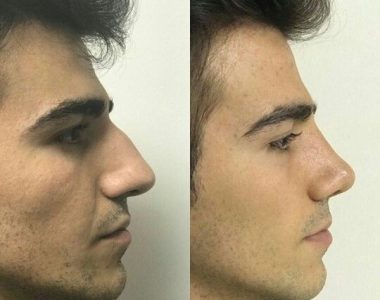
A nasal hump, wide tip or prominent profile can appear different depending on the forehead, chin, lips, cheeks and overall facial proportions. Treating one feature without considering the rest of the face may create a result that looks disconnected.
A balanced correction aims to improve the relationship between nasal features and the complete face. It does not aim to create perfect symmetry or reproduce another person’s nose.
A successful plan begins by defining which changes may improve proportion while preserving individual facial character.
Interactive Correction Priorities
Build Your Consultation Discussion Board
Select the priorities you want to discuss. The board organises them into appearance, structural and functional assessment themes.
Nose Correction Services
Explore Individual Nose Correction Treatments
Each concern requires a separate structural assessment. Select a service below to understand the causes, possible treatment approach, breathing considerations, recovery and consultation process.
01
Crooked Nose Correction
Crooked nose correction addresses visible deviation, asymmetry or an off-centre nasal appearance. The concern may involve the nasal bones, cartilage, septum or an earlier injury. Assessment also considers whether one side of the nose feels more blocked. The treatment plan may involve cosmetic rhinoplasty, functional rhinoplasty or septorhinoplasty, depending on the anatomy.
Explore Crooked Nose Correction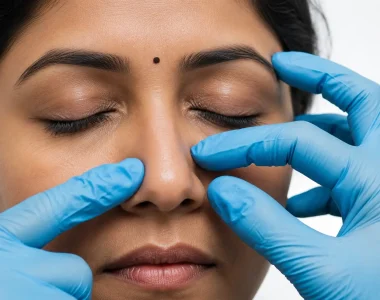 02
02
Nose Tip Correction
Nose tip correction may be considered for a broad, bulbous, drooping, uneven or poorly supported nasal tip. Planning examines tip cartilage, projection, rotation, skin thickness and the relationship between the tip and bridge. The aim is to refine the tip while preserving structural support and maintaining a natural relationship with the rest of the face.
Explore Nose Tip Correction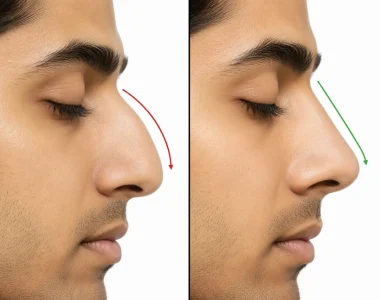 03
03
Nose Hump Correction
Nose hump correction focuses on a visible bump or irregularity along the nasal bridge. The prominence may involve bone, cartilage or both. Treatment planning evaluates bridge height, side-profile balance, nasal length and the relationship between the bridge and tip. The objective is a smoother profile that remains proportionate to the forehead, lips and chin.
Explore Nose Hump Correction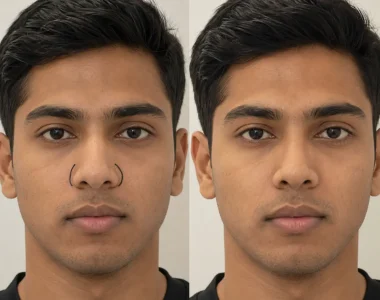 04
04
Wide Nose Correction
Wide nose correction may address a broad bridge, wide middle vault, broad nasal tip or wide nostril base. The treatment plan depends on which area creates the appearance of width. Facial width, skin thickness, cartilage shape and breathing function are also considered. Correction should improve proportion without making the nose look narrow, weak or unnatural.
Explore Wide Nose Correction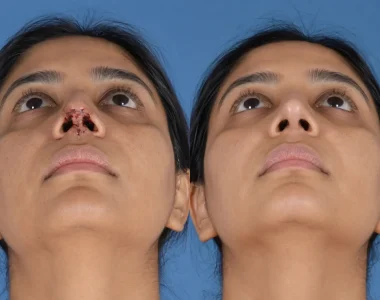 05
05
Congenital Nose Deformity Correction
Congenital nose deformity correction is planned for structural differences present from birth. These may affect nasal shape, symmetry, support, septal alignment or breathing. Treatment may involve cosmetic, functional or reconstructive techniques, depending on the condition. The plan is individualised according to anatomy, age, facial development and functional requirements.
Explore Congenital Nose CorrectionConsultation in Rajkot
Visit Dr Manali Kakadia’s Rajkot Clinic
View the clinic address, opening hours, directions and information about other ENT, nose, sinus and rhinoplasty services available in Rajkot.
Understanding Change and Healing
Why the Final Result Cannot Be Judged Immediately
Swelling changes the appearance of the bridge, tip and symmetry during the early recovery period. Different parts of the nose settle at different rates, and tip refinement can take longer than changes in other areas.
Early improvement may be visible, but the final contour should only be assessed after adequate healing. The exact timeline depends on the procedure, skin thickness, tissue response and individual recovery.
- Do not judge symmetry during early swelling
- Follow protection and activity instructions
- Attend scheduled postoperative reviews
- Allow time for gradual nasal refinement
Estimated Nose Correction Cost
Plan a Realistic Treatment Budget
Select the correction scope and expected complexity to view an indicative planning range. The final clinic estimate can only be confirmed after examination and treatment planning.
Focused corrections may cost less
A limited hump, tip or nostril correction may require less operating time than multi-area or reconstructive treatment.
Do not compare surgeon fees alone
Check whether anaesthesia, theatre charges, hospital stay, medication and follow-up are included in the quoted amount.
Complexity affects the total
Septal correction, airway reconstruction, previous surgery, congenital deformity or grafting may increase the treatment scope.
Assessment and Planning
How a Nose Correction Plan Is Developed
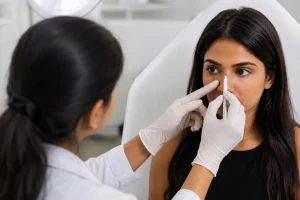
The process begins by identifying the concern, understanding the anatomy and clarifying what may be realistic.
-
01
Define the Main Concern
Discuss visible shape, asymmetry, breathing symptoms, earlier injury, previous surgery and the changes being considered.
-
02
Examine the Nose and Complete Face
Assess bridge, tip, width, septum, support, skin, airflow and facial proportions.
-
03
Choose the Appropriate Treatment Scope
Determine whether the concern may require cosmetic, functional, combined or reconstructive correction.
-
04
Review Expected Changes and Cost
Discuss realistic outcomes, limitations, possible risks, recovery, hospital arrangements and a personalised estimate.
Nose Correction FAQs
Questions Before Nose Correction Surgery
General information about suitability, breathing, scars, cost and recovery.
Ask a QuestionWhich nose concerns can be corrected?
Correction may be considered for a visible hump, wide bridge, broad or drooping tip, wide nostrils, crooked nose, asymmetry, excessive projection, congenital deformity or structural concerns after injury. Suitability depends on individual anatomy.
Can more than one concern be corrected in one operation?
Yes, several related concerns may be treated in one surgical plan where appropriate. The surgeon must consider how changes to the bridge, tip, width, septum and support affect one another.
Can nose correction improve breathing?
It may improve breathing when obstruction is caused by structural problems such as septal deviation, valve narrowing or weak support. Cosmetic correction alone does not automatically improve airflow.
How much does nose correction cost in Rajkot?
Third-party market estimates commonly place rhinoplasty in Rajkot around ₹65,000 to ₹1,50,000. The clinic’s actual fee can only be given after assessment because procedure type, complexity, hospital, anaesthesia and follow-up vary.
Will the result look natural?
The aim is generally to create a proportionate result suited to the individual face. Natural-looking improvement cannot be guaranteed and depends on anatomy, treatment scope and healing.
Will there be visible scars?
Scar placement depends on the surgical approach. The proposed incisions, expected healing and scar care should be explained during consultation.
How long does recovery take?
Early swelling and bruising usually reduce over the first few weeks, but refinement can continue for months. The treating surgeon’s procedure-specific instructions should guide work, exercise and follow-up.
Take the Next Step
Understand Which Nose Correction May Be Appropriate for You
Book a consultation with Dr. Manali Kakadia to discuss nasal shape, symmetry, breathing, treatment options, recovery and a personalised cost estimate.