
Rhinoplasty Surgeon
Rhinoplasty Surgery
Rhinoplasty treatment can address cosmetic concerns, structural nasal problems and breathing difficulties. Dr. Manali Kakadia provides personalised rhinoplasty assessment in Rajkot to understand your nasal structure, concerns and treatment goals before recommending an appropriate surgical approach. Improve your breathing issues with personalised treatment solutions by Dr. Manali Kakadia. she offer safe and advanced nose plastic surgery options. Consult our experts to improve both function and appearance of your nose with lasting results.
In some cases, nasal structure can contribute to persistent breathing difficulties or related symptoms. Patients looking for specialist ENT care can visit our ENT specialist in Rajkot page to learn more about available consultations and treatment options.
- Appearance and nasal function reviewed together
- Detailed assessment before choosing a surgical approach
- Procedure selection based on individual nasal anatomy
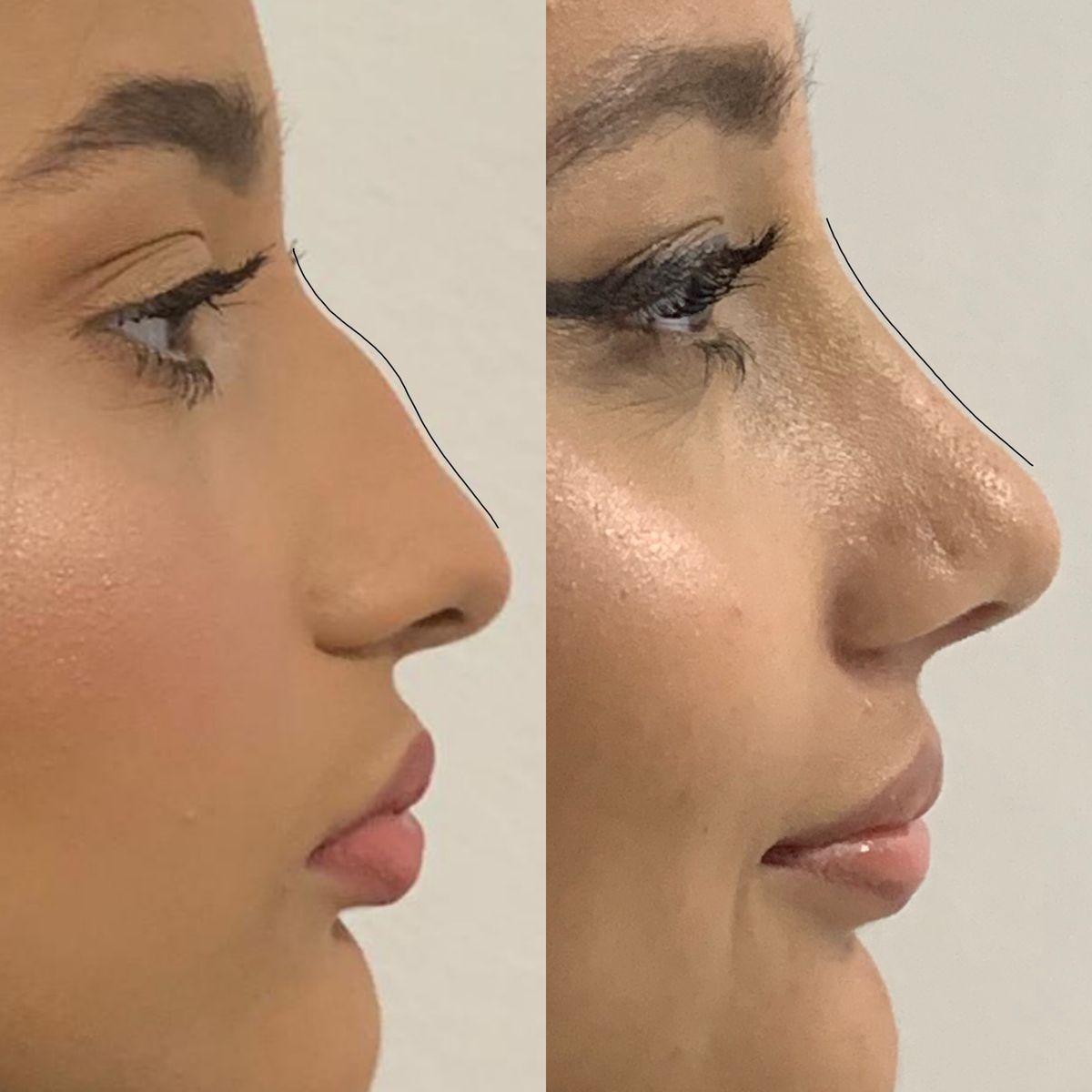
Nose Reshaping Essentials
Elevate Your Aesthetic with Nose Reshaping Surgery
The nose plays an important role in the visual balance of the face. If its bridge, tip, width or projection feels out of proportion, rhinoplasty can refine selected structures to create a more harmonious appearance. The same operation may also address internal problems that make nasal breathing difficult.
Rhinoplasty can therefore serve both aesthetic and functional goals. Depending on the individual's needs, surgery may reshape the external framework, improve internal support, or combine both approaches. The aim is not to create an identical “ideal” nose, but to develop a result that fits the patient's facial anatomy and preserves appropriate nasal function.
Because every nose has different bone, cartilage, skin and airway characteristics, careful assessment is essential before deciding on the surgical technique. A personalised plan helps set realistic expectations about the changes that can be achieved and the recovery involved. For patients who have already undergone nasal surgery and continue to have concerns about appearance, breathing or structural support, a more specialised revision rhinoplasty assessment may be required.
In some cases, nasal structure can contribute to persistent breathing difficulties or related symptoms. Patients who require correction of nasal structure can learn more about rhinoplasty in Rajkot and discuss suitable treatment options with an ENT specialist.
Treatment Information
Rhinoplasty Treatment Details
| Condition / Concern | Nasal shape, proportion or structural breathing concern |
|---|---|
| Procedure | Rhinoplasty |
| Typical Procedure Time | Approximately 1.5–3 hours, depending on the complexity |
| Performed By | Qualified plastic or cosmetic surgeon |
Understanding Rhinoplasty
What Is Rhinoplasty Surgery?
Rhinoplasty is a surgical procedure used to alter the shape, size, alignment or proportions of the nose. It may be chosen to improve facial balance, address a visible nasal concern, correct structural problems that affect breathing, repair changes caused by injury, or manage certain congenital differences.
Rhinoplasty and septoplasty can both involve nasal surgery, but they are performed for different primary reasons. To understand the distinction between reshaping the nose and correcting the nasal septum, read our guide on rhinoplasty vs septoplasty .
The surgeon may work with the nasal bones, cartilage, septum and surrounding soft tissue according to what needs to be corrected. Access can be created entirely inside the nostrils in a closed approach, while an open approach may use a small incision across the columella when greater visibility of the nasal framework is required.
Surgical changes can include refining the nasal tip, narrowing the nostrils, reducing a bridge or hump, improving alignment, or adding structural support. When grafting is required, cartilage may be obtained from suitable donor areas such as the septum or ear. The final plan is determined by the patient's anatomy, functional requirements and treatment goals.
Types of Rhinoplasty We Offer
Types of Rhinoplasty
Select a procedure to understand what it addresses and who it is generally suited for.
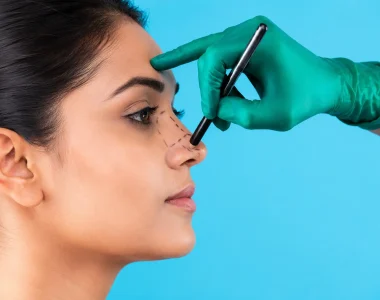
Appearance-focused
Cosmetic Rhinoplasty
Changes the visible shape of the nose — the bridge, hump, tip, width or nostrils — to improve proportion and balance with the rest of the face.
- Nasal hump or bridge irregularity
- Bulbous, drooping or uneven tip
- Wide bridge or wide nostrils
- Overall facial proportion
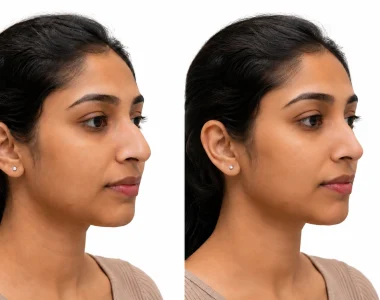
Breathing-focused
Functional Rhinoplasty
Corrects internal structural problems that restrict airflow, such as a deviated septum, collapsed nasal valves or enlarged turbinates, often alongside subtle external refinement.
- Deviated septum
- Collapsed or narrow nasal valves
- Chronic nasal blockage
- Breathing difficulty on one or both sides
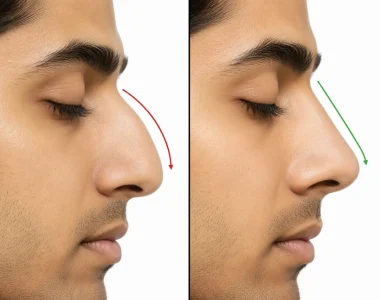
Combined approach
Septorhinoplasty
Combines external reshaping with correction of the internal septum in a single procedure, for patients who have both cosmetic and breathing concerns.
- Visible shape concern plus breathing difficulty
- Crooked nose linked to septal deviation
- Single surgery, single recovery period
- Structural support planned alongside appearance
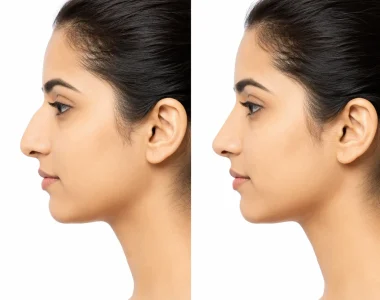
After a previous surgery
Revision Rhinoplasty
Refines or corrects the results of an earlier nose surgery that did not meet expectations, or that led to new structural or breathing issues.
- Unresolved cosmetic concerns from a prior surgery
- New breathing difficulty after previous surgery
- Scar tissue or altered internal support
- More complex surgical planning

Rebuilding structure
Reconstructive Rhinoplasty
Rebuilds nasal structure after trauma, congenital differences, or significant tissue loss, focusing on restoring both form and function.
- Injury or trauma to the nose
- Congenital nasal differences
- Loss of structural support or tissue
- Restoring both appearance and breathing
Procedure Comparison
Comparison Table of Different Types of Rhinoplasty
Recovery shown below refers to the approximate early recovery or downtime period. Individual healing can take longer.
| Type | Invasive | Best For | Approx. Early Recovery |
|---|---|---|---|
| Cosmetic Rhinoplasty | Yes | Changing nasal shape, proportion, bridge, tip or width | 1–2 weeks |
| Functional Rhinoplasty | Yes | Structural causes of reduced nasal airflow or breathing difficulty | 1–2 weeks |
| Septorhinoplasty | Yes | Combined nasal reshaping and septal correction | 2–3 weeks |
| Revision Rhinoplasty | Yes | Correcting or refining concerns after earlier nasal surgery | 2–4 weeks |
| Reconstructive Rhinoplasty | Yes | Restoring nasal structure after trauma, deformity or significant tissue loss | 3–6 weeks |
Patient Suitability
Who Should Undergo Nose Reshaping Surgery?
Rhinoplasty is considered only after the surgeon has established that the patient's goals, health and nasal anatomy are compatible with surgery. A good candidate understands what the procedure can realistically change and is prepared for the recovery period as well as the possibility that the result will have natural limitations.
Physical maturity is important
Elective nasal reshaping is generally considered after the nose and facial framework have reached sufficient maturity. The appropriate timing depends on individual development and clinical circumstances, so age by itself should not be used as the only measure of suitability.
Overall health matters
Conditions that may influence anaesthesia, bleeding or wound healing should be reviewed before an operation is planned. Smoking can compromise healing and increase complications, so patients should follow the surgeon's advice about stopping smoking before and after surgery.
Rhinoplasty may be considered for people who have:
- Breathing difficulty related to an internal nasal structural problem
- A visible nasal difference present from birth or following an injury
- A nose that appears disproportionate to the surrounding facial features
- A need for structural correction affecting appearance, function or both
Emotional readiness is equally important. The best candidates have realistic goals and understand that surgery is intended to improve a specific concern rather than create perfection.
Patient Evaluation
Importance of Psychological Screening for Rhinoplasty
Emotional and psychological readiness are important parts of a responsible rhinoplasty assessment. The discussion should consider the reason for surgery, the change the patient hopes to see and whether those expectations are achievable with a surgical procedure.
- Clinical guidance supports screening for concerns such as body dysmorphic disorder, significant mood or anxiety disorders, and other psychological factors that may influence surgical decision-making.
- Body dysmorphic disorder is reported more often among people seeking cosmetic procedures, including rhinoplasty, and unrealistic expectations can contribute to dissatisfaction even after technically good results.
- Patients showing patterns such as repeated procedures, very high expectations or persistent dissatisfaction despite an objectively satisfactory result may require particularly careful assessment before surgery.
Psychological screening is not about judging a patient's appearance or motivation. Its purpose is to make sure the decision to operate is appropriate, informed and aligned with achievable outcomes.
Potential Benefits
Benefits of Rhinoplasty Surgery
01 Improved Facial Harmony
Refining selected parts of the nasal framework can improve the relationship between the nose and surrounding facial features, creating a more proportionate overall appearance.
02 Better Nasal Function
When poor airflow is related to a structural nasal problem, appropriate functional correction may make breathing easier and improve day-to-day comfort.
03 Correction of Nasal Deformities
Rhinoplasty can address selected congenital, traumatic or structural irregularities while maintaining the support needed for a stable nasal framework.
04 Greater Confidence in Appearance
When a clearly defined nasal concern has been affecting self-confidence, achieving a realistic improvement may help the patient feel more comfortable with their appearance.
05 Long-Lasting Structural Change
The structural changes created by rhinoplasty are intended to be durable, although ageing, injury and future nasal surgery can alter the appearance over time.
Safety & Recovery
Possible Side Effects of Rhinoplasty Surgery
Rhinoplasty is commonly performed safely when patients are appropriately selected and surgery is carried out by a qualified surgeon in a suitable facility. Even so, every operation has potential side effects and complications that should be discussed before treatment.
Swelling and Bruising
Swelling around the nose and eyes is expected during early healing, and bruising may also occur. These changes usually settle gradually, although residual swelling can take longer to disappear.
Temporary or Persistent Breathing Difficulty
Congestion is common while the internal tissues heal. In a smaller number of cases, airflow may remain restricted and further clinical assessment may be necessary.
Numbness or Altered Sensation
The nasal tip and nearby skin may feel numb, tight or unusually sensitive after surgery. Normal sensation generally returns progressively as the tissues recover.
Irregularity or Asymmetry
Nasal healing is individual, and small contour differences can remain even when the overall result is satisfactory. Significant concerns should be reviewed by the surgeon.
Bleeding and Infection
A small amount of bleeding can occur during recovery, while infection is less common. Following wound-care instructions and reporting concerning symptoms promptly supports safer healing.
The Surgical Journey
Step-by-Step Rhinoplasty Procedure
The exact sequence can vary according to the type of rhinoplasty and the corrections required.
-
01
Preoperative Consultation and Evaluation
The surgeon reviews medical history, examines the nose externally and internally, discusses the patient's goals and assesses breathing, facial proportions and nasal structure.
-
02
Anaesthesia Administration
Rhinoplasty is commonly performed under general anaesthesia. Selected minor procedures may use local anaesthesia with sedation when clinically appropriate.
-
03
Incision and Surgical Access
With an open technique, a small incision is made across the columella. In a closed approach, the incisions remain inside the nostrils. The skin is carefully elevated to expose the underlying framework.
-
04
Reshaping and Structural Correction
Bone and cartilage may be reduced, repositioned, reshaped or supported with grafts. Septal deviation or other internal structural problems may also be corrected when required.
-
05
Closure, Splinting and Dressing
Once the planned changes are complete, the skin is repositioned and the incisions are closed. An external splint and, where necessary, internal support are used during early healing.
-
06
Recovery and Follow-Up
Initial monitoring focuses on comfort, swelling, bruising and wound care. Follow-up appointments help the surgeon monitor healing, while the nasal shape continues to refine over the following months.
Before Surgery
Medical Tests Before Undergoing Rhinoplasty Surgery
Pre-surgical investigations are chosen according to the patient's medical history, age, planned anaesthesia and the complexity of the operation. The exact tests therefore differ from one patient to another.
Commonly Considered Pre-Surgical Checks
- Complete Blood Count (CBC): may identify anaemia, infection or other blood-related concerns.
- Coagulation Profile: helps assess blood-clotting function when indicated.
- Electrocardiogram (ECG): may be advised when age, medical history or anaesthesia assessment makes it appropriate.
- Imaging such as CT or X-ray: can provide additional information about internal nasal anatomy when clinically necessary.
- Allergy and medication review: helps identify relevant reactions, current medicines and anaesthetic considerations.
- Urinalysis: may be requested when there is a clinical reason to check for infection or other concerns.
- Liver and kidney function testing: may be advised when medical history or medication planning makes these checks relevant.
Patients should provide a complete and accurate medical history, including previous operations, regular medicines, allergies and any conditions that may influence anaesthesia or healing.
When Surgery May Be Delayed or Unsuitable
Who Should Not Consider Rhinoplasty Surgery?
Elective rhinoplasty may be delayed or reconsidered when an existing medical condition, active infection, smoking status or unrealistic expectations could make surgery unsafe or the outcome difficult to assess fairly.
- Patients whose nasal and facial development is not yet sufficiently mature for elective structural surgery
- People with uncontrolled diabetes, significant bleeding disorders or other uncontrolled medical conditions that increase surgical risk
- Patients who are pregnant or breastfeeding, when elective surgery should generally be deferred
- Individuals with untreated severe psychological concerns or body dysmorphic disorder that may affect the decision or expected satisfaction
- Patients with an active or chronic nasal or sinus infection requiring treatment before elective surgery
- Heavy smokers who are unwilling or unable to follow the surgeon's instructions about stopping smoking around surgery
- Candidates expecting perfection or a guaranteed result that surgery cannot realistically provide
Suitability is ultimately decided after an individual medical and surgical assessment. Clear communication with the surgeon is essential before proceeding.
Safety
How Safe Is Rhinoplasty Surgery?
Rhinoplasty is generally considered a safe procedure when the patient is appropriately assessed and surgery is performed by a qualified surgeon in a properly equipped facility. As with any operation, however, risks remain and should be discussed during consultation.
Surgeon's Expertise
Experience with nasal anatomy, structural support and the selected surgical technique is an important part of safe and appropriate planning.
Facility Standards
A suitable surgical facility with appropriate monitoring, trained staff and emergency protocols adds an important layer of safety.
Pre-Surgical Assessment
Medical history, examination and any necessary investigations help identify conditions that could increase anaesthetic or surgical risk.
Anaesthesia Safety
When anaesthesia is administered and monitored by qualified professionals, modern techniques are designed to provide controlled and safe care.
Treatment Planning
Cost of Rhinoplasty in India
Rhinoplasty pricing can differ substantially between patients because the operation is planned around the type of correction required, surgical complexity, hospital arrangements and the surgeon's expertise. Prices can also vary between cities, with larger metropolitan areas often having higher overall treatment charges.
What Does Nose Job Surgery Cost Usually Include?
- Surgeon's fee: influenced by qualifications, experience and the complexity of the procedure.
- Facility charges: may cover the operating theatre, nursing support, equipment and hospital services.
- Anaesthesia: depends on the planned procedure and the anaesthetic approach used.
- Pre- and post-operative care: may include investigations, medicines, dressings and follow-up appointments.
The final amount can only be estimated after the surgeon understands the patient's nasal structure and treatment requirements. Patients should ask what is included in the quoted fee and whether follow-up visits, medicines and other associated charges are covered.
Important Notes Before Deciding
- Confirm exactly which services and follow-up appointments are included in the quoted price.
- Ask whether investigations, medicines, anaesthesia and facility charges are included separately.
- For international patients, exchange rates, travel costs and applicable regional taxes may affect the overall expense.
- Do not choose a surgeon based on price alone; qualifications, experience, safety standards and suitability for the required procedure are important.
Patients outside Rajkot can also consult a rhinoplasty surgeon in Ahmedabad or a rhinoplasty surgeon in Kutch, with consultations held closer to home.
India offers access to experienced surgical teams and established hospital facilities, but the right choice should always be based on the individual clinical assessment and the quality of care rather than cost alone. Patients who want to learn more about rhinoplasty, nasal health, recovery and related ENT topics can also explore our ENT and rhinoplasty articles before or after their consultation.
Rhinoplasty FAQs
Frequently Asked Questions About Rhinoplasty
General information about procedure types, suitability, safety, recovery and treatment planning.
Ask a QuestionWhat are the main types of rhinoplasty?
Common approaches include cosmetic rhinoplasty for appearance, functional rhinoplasty for structural breathing concerns, septorhinoplasty for combined concerns, revision rhinoplasty after previous surgery and reconstructive rhinoplasty for restoring damaged or altered nasal structure.
How do I know which type of rhinoplasty is right for me?
The appropriate procedure is determined after examining the external nose, internal structures, breathing and overall facial proportions. Your previous surgery or injury history may also influence the recommendation.
Can rhinoplasty improve breathing?
It can when reduced airflow is caused by a correctable structural problem. Functional rhinoplasty or septorhinoplasty may be considered after the source of obstruction has been assessed.
Is rhinoplasty painful?
Most patients experience pressure, congestion and manageable discomfort during the early recovery period. Your surgeon will provide specific medication and aftercare instructions based on your procedure.
How long does rhinoplasty recovery take?
Early recovery commonly takes around one to two weeks for routine rhinoplasty, although more complex procedures may require longer. Swelling and refinement continue for several months and the final result may take a year or longer to settle.
How much does rhinoplasty cost in India?
The cost depends on the procedure type, complexity, surgeon's fee, hospital and anaesthesia charges, investigations and follow-up care. A personalised estimate can be discussed after an assessment.
Take the Next Step
Book Your Rhinoplasty Consultation
Discuss your nasal concerns with Dr. Manali Kakadia and understand which rhinoplasty option may be appropriate for your anatomy, breathing needs, facial proportions and treatment goals.
Rhinoplasty Surgeon
Rhinoplasty Surgery
Rhinoplasty treatment can address cosmetic concerns, structural nasal problems and breathing difficulties. Dr. Manali Kakadia provides personalised rhinoplasty assessment in Rajkot to understand your nasal structure, concerns and treatment goals before recommending an appropriate surgical approach. Improve your breathing issues with personalised treatment solutions by Dr. Manali Kakadia. she offer safe and advanced nose plastic surgery options. Consult our experts to improve both function and appearance of your nose with lasting results.
In some cases, nasal structure can contribute to persistent breathing difficulties or related symptoms. Patients looking for specialist ENT care can visit our ENT specialist in Rajkot page to learn more about available consultations and treatment options.
- Appearance and nasal function reviewed together
- Detailed assessment before choosing a surgical approach
- Procedure selection based on individual nasal anatomy
Nose Reshaping Essentials
Elevate Your Aesthetic with Nose Reshaping Surgery
The nose plays an important role in the visual balance of the face. If its bridge, tip, width or projection feels out of proportion, rhinoplasty can refine selected structures to create a more harmonious appearance. The same operation may also address internal problems that make nasal breathing difficult.
Rhinoplasty can therefore serve both aesthetic and functional goals. Depending on the individual's needs, surgery may reshape the external framework, improve internal support, or combine both approaches. The aim is not to create an identical “ideal” nose, but to develop a result that fits the patient's facial anatomy and preserves appropriate nasal function.
Because every nose has different bone, cartilage, skin and airway characteristics, careful assessment is essential before deciding on the surgical technique. A personalised plan helps set realistic expectations about the changes that can be achieved and the recovery involved. For patients who have already undergone nasal surgery and continue to have concerns about appearance, breathing or structural support, a more specialised revision rhinoplasty assessment may be required.
In some cases, nasal structure can contribute to persistent breathing difficulties or related symptoms. Patients who require correction of nasal structure can learn more about rhinoplasty in Rajkot and discuss suitable treatment options with an ENT specialist.
Treatment Information
Rhinoplasty Treatment Details
| Condition / Concern | Nasal shape, proportion or structural breathing concern |
|---|---|
| Procedure | Rhinoplasty |
| Typical Procedure Time | Approximately 1.5–3 hours, depending on the complexity |
| Performed By | Qualified plastic or cosmetic surgeon |
Understanding Rhinoplasty
What Is Rhinoplasty Surgery?
Rhinoplasty is a surgical procedure used to alter the shape, size, alignment or proportions of the nose. It may be chosen to improve facial balance, address a visible nasal concern, correct structural problems that affect breathing, repair changes caused by injury, or manage certain congenital differences.
Rhinoplasty and septoplasty can both involve nasal surgery, but they are performed for different primary reasons. To understand the distinction between reshaping the nose and correcting the nasal septum, read our guide on rhinoplasty vs septoplasty .
The surgeon may work with the nasal bones, cartilage, septum and surrounding soft tissue according to what needs to be corrected. Access can be created entirely inside the nostrils in a closed approach, while an open approach may use a small incision across the columella when greater visibility of the nasal framework is required.
Surgical changes can include refining the nasal tip, narrowing the nostrils, reducing a bridge or hump, improving alignment, or adding structural support. When grafting is required, cartilage may be obtained from suitable donor areas such as the septum or ear. The final plan is determined by the patient's anatomy, functional requirements and treatment goals.
Types of Rhinoplasty We Offer
Types of Rhinoplasty
Select a procedure to understand what it addresses and who it is generally suited for.
Appearance-focused
Cosmetic Rhinoplasty
Changes the visible shape of the nose — the bridge, hump, tip, width or nostrils — to improve proportion and balance with the rest of the face.
- Nasal hump or bridge irregularity
- Bulbous, drooping or uneven tip
- Wide bridge or wide nostrils
- Overall facial proportion
Breathing-focused
Functional Rhinoplasty
Corrects internal structural problems that restrict airflow, such as a deviated septum, collapsed nasal valves or enlarged turbinates, often alongside subtle external refinement.
- Deviated septum
- Collapsed or narrow nasal valves
- Chronic nasal blockage
- Breathing difficulty on one or both sides
Combined approach
Septorhinoplasty
Combines external reshaping with correction of the internal septum in a single procedure, for patients who have both cosmetic and breathing concerns.
- Visible shape concern plus breathing difficulty
- Crooked nose linked to septal deviation
- Single surgery, single recovery period
- Structural support planned alongside appearance
After a previous surgery
Revision Rhinoplasty
Refines or corrects the results of an earlier nose surgery that did not meet expectations, or that led to new structural or breathing issues.
- Unresolved cosmetic concerns from a prior surgery
- New breathing difficulty after previous surgery
- Scar tissue or altered internal support
- More complex surgical planning
Rebuilding structure
Reconstructive Rhinoplasty
Rebuilds nasal structure after trauma, congenital differences, or significant tissue loss, focusing on restoring both form and function.
- Injury or trauma to the nose
- Congenital nasal differences
- Loss of structural support or tissue
- Restoring both appearance and breathing
Procedure Comparison
Comparison Table of Different Types of Rhinoplasty
Recovery shown below refers to the approximate early recovery or downtime period. Individual healing can take longer.
| Type | Invasive | Best For | Approx. Early Recovery |
|---|---|---|---|
| Cosmetic Rhinoplasty | Yes | Changing nasal shape, proportion, bridge, tip or width | 1–2 weeks |
| Functional Rhinoplasty | Yes | Structural causes of reduced nasal airflow or breathing difficulty | 1–2 weeks |
| Septorhinoplasty | Yes | Combined nasal reshaping and septal correction | 2–3 weeks |
| Revision Rhinoplasty | Yes | Correcting or refining concerns after earlier nasal surgery | 2–4 weeks |
| Reconstructive Rhinoplasty | Yes | Restoring nasal structure after trauma, deformity or significant tissue loss | 3–6 weeks |
Patient Suitability
Who Should Undergo Nose Reshaping Surgery?
Rhinoplasty is considered only after the surgeon has established that the patient's goals, health and nasal anatomy are compatible with surgery. A good candidate understands what the procedure can realistically change and is prepared for the recovery period as well as the possibility that the result will have natural limitations.
Physical maturity is important
Elective nasal reshaping is generally considered after the nose and facial framework have reached sufficient maturity. The appropriate timing depends on individual development and clinical circumstances, so age by itself should not be used as the only measure of suitability.
Overall health matters
Conditions that may influence anaesthesia, bleeding or wound healing should be reviewed before an operation is planned. Smoking can compromise healing and increase complications, so patients should follow the surgeon's advice about stopping smoking before and after surgery.
Rhinoplasty may be considered for people who have:
- Breathing difficulty related to an internal nasal structural problem
- A visible nasal difference present from birth or following an injury
- A nose that appears disproportionate to the surrounding facial features
- A need for structural correction affecting appearance, function or both
Emotional readiness is equally important. The best candidates have realistic goals and understand that surgery is intended to improve a specific concern rather than create perfection.
Patient Evaluation
Importance of Psychological Screening for Rhinoplasty
Emotional and psychological readiness are important parts of a responsible rhinoplasty assessment. The discussion should consider the reason for surgery, the change the patient hopes to see and whether those expectations are achievable with a surgical procedure.
- Clinical guidance supports screening for concerns such as body dysmorphic disorder, significant mood or anxiety disorders, and other psychological factors that may influence surgical decision-making.
- Body dysmorphic disorder is reported more often among people seeking cosmetic procedures, including rhinoplasty, and unrealistic expectations can contribute to dissatisfaction even after technically good results.
- Patients showing patterns such as repeated procedures, very high expectations or persistent dissatisfaction despite an objectively satisfactory result may require particularly careful assessment before surgery.
Psychological screening is not about judging a patient's appearance or motivation. Its purpose is to make sure the decision to operate is appropriate, informed and aligned with achievable outcomes.
Potential Benefits
Benefits of Rhinoplasty Surgery
01 Improved Facial Harmony
Refining selected parts of the nasal framework can improve the relationship between the nose and surrounding facial features, creating a more proportionate overall appearance.
02 Better Nasal Function
When poor airflow is related to a structural nasal problem, appropriate functional correction may make breathing easier and improve day-to-day comfort.
03 Correction of Nasal Deformities
Rhinoplasty can address selected congenital, traumatic or structural irregularities while maintaining the support needed for a stable nasal framework.
04 Greater Confidence in Appearance
When a clearly defined nasal concern has been affecting self-confidence, achieving a realistic improvement may help the patient feel more comfortable with their appearance.
05 Long-Lasting Structural Change
The structural changes created by rhinoplasty are intended to be durable, although ageing, injury and future nasal surgery can alter the appearance over time.
Safety & Recovery
Possible Side Effects of Rhinoplasty Surgery
Rhinoplasty is commonly performed safely when patients are appropriately selected and surgery is carried out by a qualified surgeon in a suitable facility. Even so, every operation has potential side effects and complications that should be discussed before treatment.
Swelling and Bruising
Swelling around the nose and eyes is expected during early healing, and bruising may also occur. These changes usually settle gradually, although residual swelling can take longer to disappear.
Temporary or Persistent Breathing Difficulty
Congestion is common while the internal tissues heal. In a smaller number of cases, airflow may remain restricted and further clinical assessment may be necessary.
Numbness or Altered Sensation
The nasal tip and nearby skin may feel numb, tight or unusually sensitive after surgery. Normal sensation generally returns progressively as the tissues recover.
Irregularity or Asymmetry
Nasal healing is individual, and small contour differences can remain even when the overall result is satisfactory. Significant concerns should be reviewed by the surgeon.
Bleeding and Infection
A small amount of bleeding can occur during recovery, while infection is less common. Following wound-care instructions and reporting concerning symptoms promptly supports safer healing.
The Surgical Journey
Step-by-Step Rhinoplasty Procedure
The exact sequence can vary according to the type of rhinoplasty and the corrections required.
-
01
Preoperative Consultation and Evaluation
The surgeon reviews medical history, examines the nose externally and internally, discusses the patient's goals and assesses breathing, facial proportions and nasal structure.
-
02
Anaesthesia Administration
Rhinoplasty is commonly performed under general anaesthesia. Selected minor procedures may use local anaesthesia with sedation when clinically appropriate.
-
03
Incision and Surgical Access
With an open technique, a small incision is made across the columella. In a closed approach, the incisions remain inside the nostrils. The skin is carefully elevated to expose the underlying framework.
-
04
Reshaping and Structural Correction
Bone and cartilage may be reduced, repositioned, reshaped or supported with grafts. Septal deviation or other internal structural problems may also be corrected when required.
-
05
Closure, Splinting and Dressing
Once the planned changes are complete, the skin is repositioned and the incisions are closed. An external splint and, where necessary, internal support are used during early healing.
-
06
Recovery and Follow-Up
Initial monitoring focuses on comfort, swelling, bruising and wound care. Follow-up appointments help the surgeon monitor healing, while the nasal shape continues to refine over the following months.
Before Surgery
Medical Tests Before Undergoing Rhinoplasty Surgery
Pre-surgical investigations are chosen according to the patient's medical history, age, planned anaesthesia and the complexity of the operation. The exact tests therefore differ from one patient to another.
Commonly Considered Pre-Surgical Checks
- Complete Blood Count (CBC): may identify anaemia, infection or other blood-related concerns.
- Coagulation Profile: helps assess blood-clotting function when indicated.
- Electrocardiogram (ECG): may be advised when age, medical history or anaesthesia assessment makes it appropriate.
- Imaging such as CT or X-ray: can provide additional information about internal nasal anatomy when clinically necessary.
- Allergy and medication review: helps identify relevant reactions, current medicines and anaesthetic considerations.
- Urinalysis: may be requested when there is a clinical reason to check for infection or other concerns.
- Liver and kidney function testing: may be advised when medical history or medication planning makes these checks relevant.
Patients should provide a complete and accurate medical history, including previous operations, regular medicines, allergies and any conditions that may influence anaesthesia or healing.
When Surgery May Be Delayed or Unsuitable
Who Should Not Consider Rhinoplasty Surgery?
Elective rhinoplasty may be delayed or reconsidered when an existing medical condition, active infection, smoking status or unrealistic expectations could make surgery unsafe or the outcome difficult to assess fairly.
- Patients whose nasal and facial development is not yet sufficiently mature for elective structural surgery
- People with uncontrolled diabetes, significant bleeding disorders or other uncontrolled medical conditions that increase surgical risk
- Patients who are pregnant or breastfeeding, when elective surgery should generally be deferred
- Individuals with untreated severe psychological concerns or body dysmorphic disorder that may affect the decision or expected satisfaction
- Patients with an active or chronic nasal or sinus infection requiring treatment before elective surgery
- Heavy smokers who are unwilling or unable to follow the surgeon's instructions about stopping smoking around surgery
- Candidates expecting perfection or a guaranteed result that surgery cannot realistically provide
Suitability is ultimately decided after an individual medical and surgical assessment. Clear communication with the surgeon is essential before proceeding.
Safety
How Safe Is Rhinoplasty Surgery?
Rhinoplasty is generally considered a safe procedure when the patient is appropriately assessed and surgery is performed by a qualified surgeon in a properly equipped facility. As with any operation, however, risks remain and should be discussed during consultation.
Surgeon's Expertise
Experience with nasal anatomy, structural support and the selected surgical technique is an important part of safe and appropriate planning.
Facility Standards
A suitable surgical facility with appropriate monitoring, trained staff and emergency protocols adds an important layer of safety.
Pre-Surgical Assessment
Medical history, examination and any necessary investigations help identify conditions that could increase anaesthetic or surgical risk.
Anaesthesia Safety
When anaesthesia is administered and monitored by qualified professionals, modern techniques are designed to provide controlled and safe care.
Treatment Planning
Cost of Rhinoplasty in India
Rhinoplasty pricing can differ substantially between patients because the operation is planned around the type of correction required, surgical complexity, hospital arrangements and the surgeon's expertise. Prices can also vary between cities, with larger metropolitan areas often having higher overall treatment charges.
What Does Nose Job Surgery Cost Usually Include?
- Surgeon's fee: influenced by qualifications, experience and the complexity of the procedure.
- Facility charges: may cover the operating theatre, nursing support, equipment and hospital services.
- Anaesthesia: depends on the planned procedure and the anaesthetic approach used.
- Pre- and post-operative care: may include investigations, medicines, dressings and follow-up appointments.
The final amount can only be estimated after the surgeon understands the patient's nasal structure and treatment requirements. Patients should ask what is included in the quoted fee and whether follow-up visits, medicines and other associated charges are covered.
Important Notes Before Deciding
- Confirm exactly which services and follow-up appointments are included in the quoted price.
- Ask whether investigations, medicines, anaesthesia and facility charges are included separately.
- For international patients, exchange rates, travel costs and applicable regional taxes may affect the overall expense.
- Do not choose a surgeon based on price alone; qualifications, experience, safety standards and suitability for the required procedure are important.
India offers access to experienced surgical teams and established hospital facilities, but the right choice should always be based on the individual clinical assessment and the quality of care rather than cost alone. Patients who want to learn more about rhinoplasty, nasal health, recovery and related ENT topics can also explore our ENT and rhinoplasty articles before or after their consultation.
Rhinoplasty FAQs
Frequently Asked Questions About Rhinoplasty
General information about procedure types, suitability, safety, recovery and treatment planning.
Ask a QuestionWhat are the main types of rhinoplasty?
Common approaches include cosmetic rhinoplasty for appearance, functional rhinoplasty for structural breathing concerns, septorhinoplasty for combined concerns, revision rhinoplasty after previous surgery and reconstructive rhinoplasty for restoring damaged or altered nasal structure.
How do I know which type of rhinoplasty is right for me?
The appropriate procedure is determined after examining the external nose, internal structures, breathing and overall facial proportions. Your previous surgery or injury history may also influence the recommendation.
Can rhinoplasty improve breathing?
It can when reduced airflow is caused by a correctable structural problem. Functional rhinoplasty or septorhinoplasty may be considered after the source of obstruction has been assessed.
Is rhinoplasty painful?
Most patients experience pressure, congestion and manageable discomfort during the early recovery period. Your surgeon will provide specific medication and aftercare instructions based on your procedure.
How long does rhinoplasty recovery take?
Early recovery commonly takes around one to two weeks for routine rhinoplasty, although more complex procedures may require longer. Swelling and refinement continue for several months and the final result may take a year or longer to settle.
How much does rhinoplasty cost in India?
The cost depends on the procedure type, complexity, surgeon's fee, hospital and anaesthesia charges, investigations and follow-up care. A personalised estimate can be discussed after an assessment.
Take the Next Step
Book Your Rhinoplasty Consultation
Discuss your nasal concerns with Dr. Manali Kakadia and understand which rhinoplasty option may be appropriate for your anatomy, breathing needs, facial proportions and treatment goals.