The Complete Guide to Rhinoplasty Surgery
Learn everything about nose job procedure, recovery, cost, results, breathing correction, and how to choose the right rhinoplasty surgeon.
What Is Rhinoplasty Surgery?
Rhinoplasty surgery, commonly called a nose job, is a surgical procedure that reshapes or reconstructs the nose. It may be performed for cosmetic, functional, or reconstructive reasons.
Some patients choose rhinoplasty to improve the shape, size, or symmetry of the nose. Others need surgery to correct breathing problems, nasal injury, birth defects, or a deviated septum.
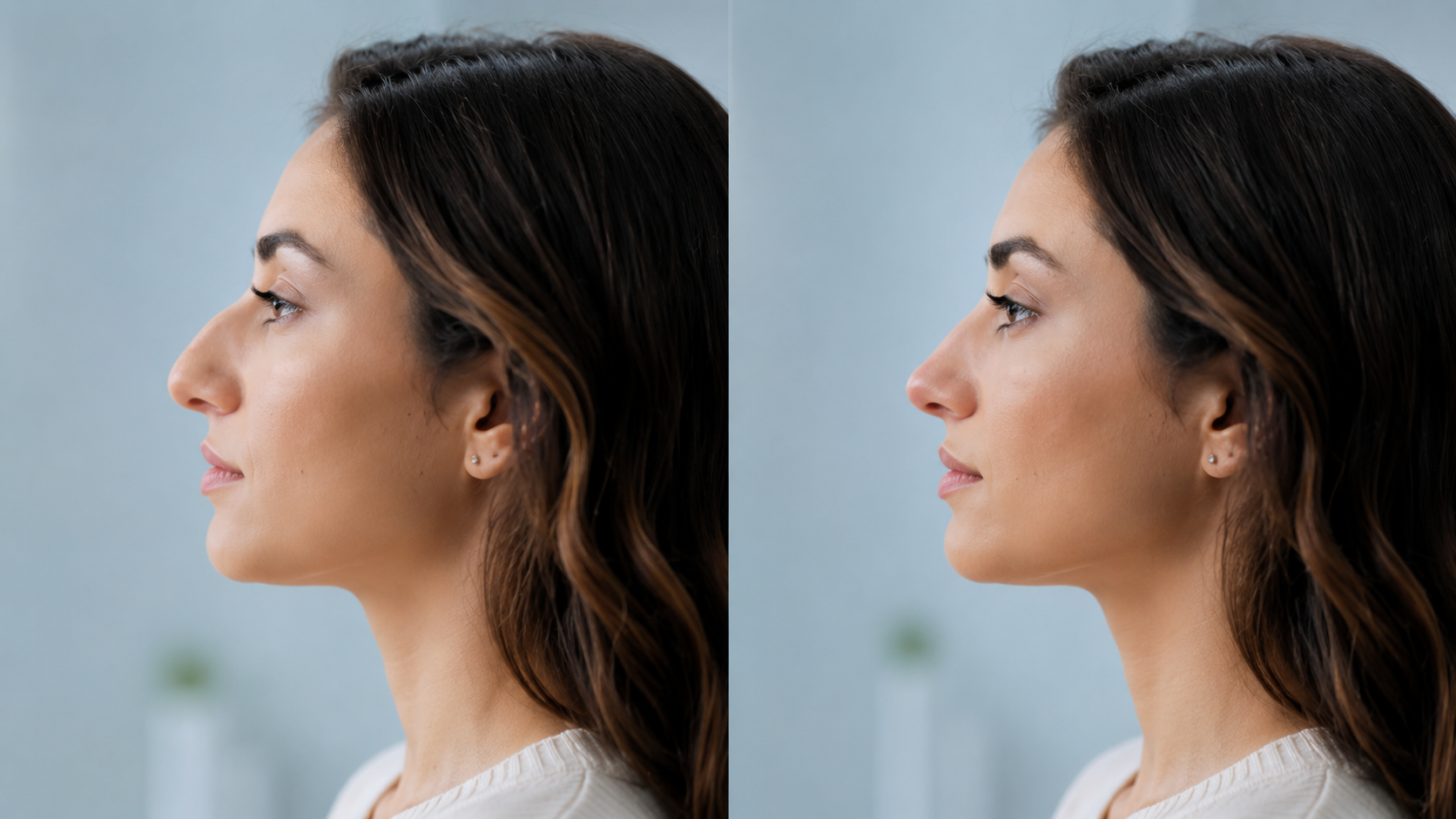
A good rhinoplasty result should look natural, suit your face, and support healthy breathing. The goal is not always to create a perfect nose, but to create facial balance and better nasal function.

Cosmetic Improvement
Improves nose bridge, nasal tip, nostril width, symmetry, and facial balance.
Breathing Support
May help patients with deviated septum, nasal blockage, or structural breathing concerns.
Natural Results
Focuses on a nose shape that fits your face, ethnicity, gender, and personal goals.
Why Do People Choose Rhinoplasty?
Patients choose rhinoplasty for different reasons. Some want cosmetic refinement, while others need functional correction to breathe better.
- Bump on the nasal bridge
- Drooping or bulbous nasal tip
- Crooked or asymmetrical nose
- Wide nostrils or wide nasal bridge
- Breathing difficulty due to nasal structure
- Correction after injury or previous surgery
Types of Rhinoplasty Surgery
| Type | Main Goal | Best For |
|---|---|---|
| Open Rhinoplasty | Detailed reshaping with better surgical visibility | Complex correction, tip reshaping, revision cases |
| Closed Rhinoplasty | Reshaping through internal nostril incisions | Mild to moderate bridge or shape correction |
| Functional Rhinoplasty | Improve nasal airflow and breathing comfort | Deviated septum, nasal blockage, valve collapse |
| Revision Rhinoplasty | Correct previous nose surgery results | Unsatisfactory result, breathing issue, asymmetry |
A skilled rhinoplasty surgeon evaluates both appearance and breathing function because changing the outside shape of the nose can also affect internal airflow.
What Happens During Rhinoplasty?

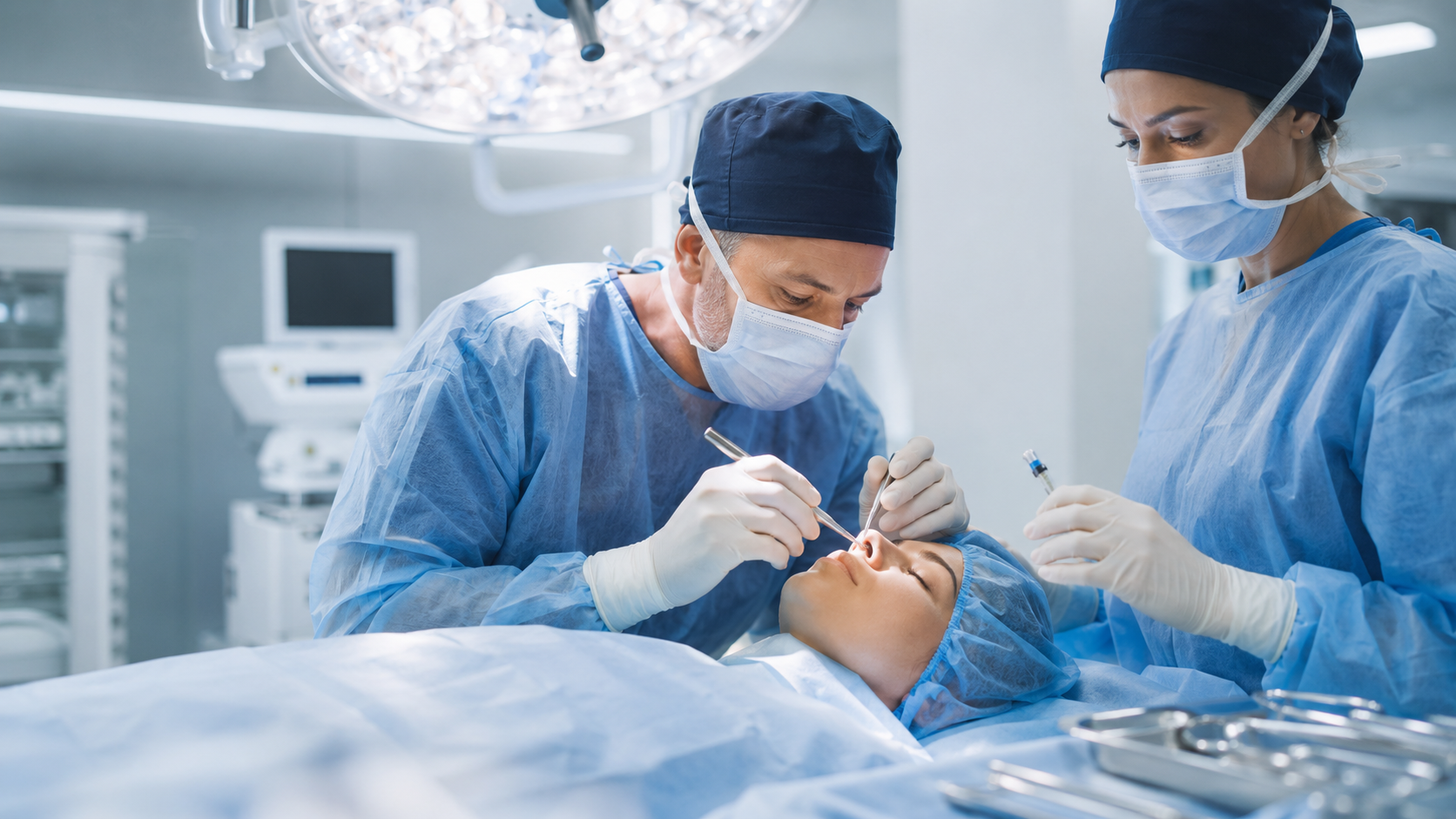
Rhinoplasty is usually performed under anesthesia. The surgical plan depends on your nose structure, breathing condition, skin thickness, and desired result.
- Anesthesia is given for comfort.
- The surgeon uses open or closed incisions.
- Bone, cartilage, or soft tissue may be reshaped.
- Breathing issues may be corrected if required.
- Incisions are closed carefully.
- A splint may be placed for early support.
Every nose is different, so the safest approach is always personalized after consultation and examination.
Rhinoplasty Recovery Timeline
Recovery varies from patient to patient. Swelling and bruising are common in the first few days, while final refinement of the nose can take several months.
First Week
Swelling, bruising, congestion, and splint support are common. Rest and head elevation are important.
Weeks 2–4
Bruising usually improves. Many patients return to social activities with surgeon approval.
6–12 Months
The nose gradually refines. Tip swelling can take longer, especially in thicker skin or revision cases.
Rhinoplasty Image Gallery

How Much Does Rhinoplasty Cost?
Rhinoplasty cost can vary depending on the surgeon’s experience, hospital or clinic facility, anesthesia, procedure complexity, open or closed technique, functional correction, revision surgery, and follow-up care.
Cosmetic rhinoplasty is usually not covered by insurance. Functional correction may be considered differently depending on medical documentation and individual policy terms.
Surgeon Experience
Highly experienced rhinoplasty surgeons may charge more due to skill and complex planning.
Procedure Complexity
Revision, functional, or reconstructive cases may require more time and advanced correction.
Clinic & Follow-Up
Facility quality, anesthesia, tests, medicines, and post-surgery visits can affect total cost.
Rhinoplasty FAQs
Is rhinoplasty painful?
Most patients feel pressure, swelling, congestion, and mild discomfort rather than severe pain.
How long does rhinoplasty surgery take?
It may take around 1.5 to 4 hours depending on the complexity of the case.
Will rhinoplasty improve breathing?
It can improve breathing when structural concerns such as deviated septum or nasal valve issues are corrected.
When can I return to work?
Many patients return to desk work after about one week, depending on swelling, bruising, and comfort.
Are rhinoplasty results permanent?
Surgical rhinoplasty results are generally long-lasting, but aging, injury, and healing changes can affect the nose over time.
Ready to Discuss Your Rhinoplasty Goals?
Schedule a consultation with Dr. Manali Kakadia, Rhinoplasty & ENT Surgeon, to understand your nose shape, breathing concerns, and safest treatment options.